Shiba Inu vs Anjing Ras Lain: Apa yang Membuatnya Begitu Spesial?

Shiba Inu, anjing kecil asal Jepang ini, berhasil mencuri hati para pecinta hewan di seluruh dunia. Tapi apa sebenarnya yang membuat Shiba Inu berbeda dari ras anjing lain?

Pertama, Shiba Inu memiliki kepribadian yang sangat unik. Mereka terkenal independen, berani, dan penuh percaya diri. Tidak seperti Labrador atau Golden Retriever yang sangat bergantung pada perhatian manusia, Shiba Inu lebih suka menjaga jarak dan memilih kapan ingin dimanja. Sifat ini membuat mereka terlihat “dingin”, namun sebenarnya mereka sangat setia kepada orang yang mereka percaya.

Dari segi penampilan, Shiba Inu memancarkan aura elegan. Dengan tubuh proporsional, bulu tebal, ekor melingkar, dan ekspresi wajah yang cerdas, mereka tampak selalu waspada dan siap bertindak. Dibandingkan ras anjing lain seperti Beagle atau Poodle, Shiba Inu punya postur yang lebih kokoh dan gaya berjalan yang penuh percaya diri.

Satu hal yang paling membedakan Shiba Inu adalah “Shiba scream”—teriakan khas yang mereka keluarkan saat merasa sangat gembira atau frustrasi. Tidak semua anjing memiliki ciri suara unik seperti ini!

Dalam hal pelatihan, Shiba Inu bisa menantang pemilik baru. Mereka menunjukkan kecerdasan tinggi, namun sering bersikap keras kepala. Untuk itu, kamu harus sabar dan konsisten jika ingin membentuk perilaku mereka dengan benar. Berbeda dengan ras seperti Border Collie yang senang mengikuti perintah, Shiba Inu lebih suka menguji batasan.

Meski memiliki sifat keras, Shiba Inu tetap memikat dengan pesonanya yang berbeda. Mereka mengajarkan sweet bonanza 1000 maxwin  pemiliknya arti kesabaran, respek, dan koneksi sejati.

Jadi, kalau kamu mencari anjing yang elegan, cerdas, dan penuh karakter,
Shiba Inu jelas pilihan yang spesial.

The Diet of Camels: Adapted to Survive in Harsh Environments

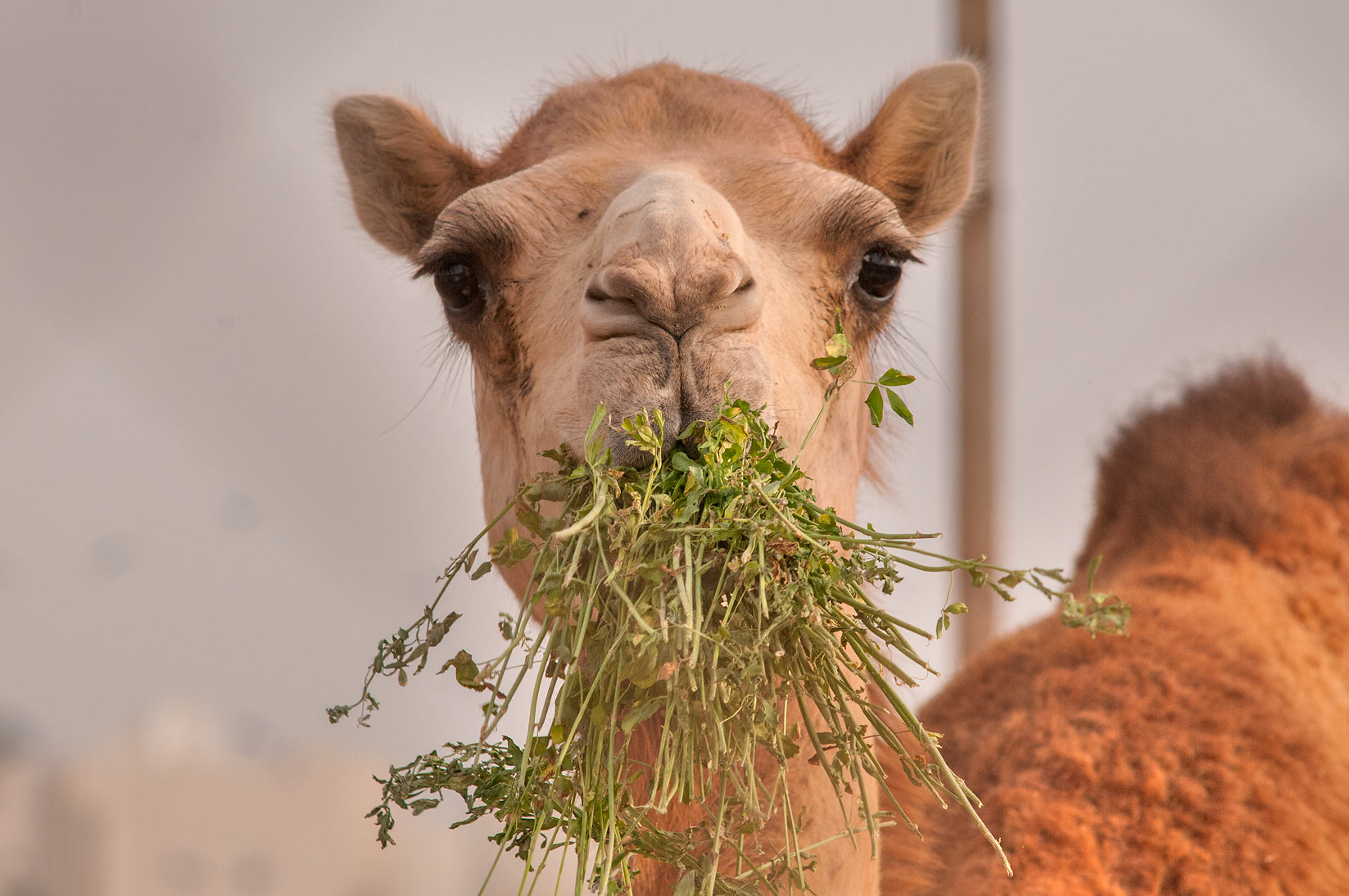
elabuelofamilyrestaurant.com – Camels are often referred to as the “ships of the desert” due to their remarkable ability to navigate and survive in some of the most extreme environments on Earth. Known for their resilience and endurance, camels are primarily herbivores with a unique diet that allows them to thrive in deserts and arid regions. In this article, we will explore the diverse food sources that make up the camel’s diet, how their bodies are adapted to process them, and the important role camels play in their ecosystems.

1. Grasses: A Primary Source of Nutrition

Despite being associated with dry, sandy deserts, camels are actually grazers, and grasses make up a significant portion of their diet. In desert areas, camels graze on various types of desert grasses, which are often coarse and fibrous. These grasses are not as abundant as in temperate climates, but camels have adapted to graze on them efficiently.

When camels are in regions with more grasslands, they will consume a wide variety of grasses, including those found in desert scrublands and oases. The grasses provide essential carbohydrates, fiber, and proteins that camels need to sustain their large bodies, especially when food is sparse. They also feed on grasses during the cooler parts of the day, typically early in the morning or late afternoon, to avoid the scorching midday heat.

2. Leaves and Shrubs: Browsing Behavior

While camels are primarily grazers, they also practice browsing. They will eat the leaves, twigs, and young shoots of shrubs and small trees when available. This browsing behavior is particularly important in regions where grasses are scarce or during the dry season when fresh grass may not be readily accessible.

Common shrubs that camels feed on include acacia, tamarisk, and various desert bushes. These plants are highly resilient to the dry conditions of the desert and provide important nutrients like proteins and minerals, helping to diversify the camel’s diet and provide necessary sustenance. Their ability to browse on woody plants is a key adaptation to life in arid regions.

3. Cactus and Succulents: A Water-Rich Treat

One of the most notable adaptations of camels is their ability to survive in areas with limited water. To supplement their water intake, camels will feed on cactus plants and other succulent plants that store water in their leaves and stems. These plants are high in moisture, and by consuming them, camels can hydrate themselves when access to fresh water is scarce.

In many desert environments, camels will seek out cactus plants, particularly during the hotter months when water is most needed. These plants provide both hydration and nourishment, as they are also rich in essential nutrients. Cactus fruit and the pulp of succulents are particularly sought after for their high water content.

4. Seeds, Fruits, and Grains: Seasonal Delights

Camels also consume various seeds, fruits, and grains, especially when they are in season. While these food sources are more common in oases or desert areas with some vegetation, camels are known to be opportunistic feeders, taking advantage of seasonal foods that grow in their environment.

They may feed on dates, melons, berries, and figs, which are often found near oasis areas or cultivated lands. Fruits are a good source of sugar, which provides quick energy, as well as vitamins and minerals that help supplement their diet. When grains like barley or wheat are available, camels may feed on them as well, though they do not actively seek out these foods in the wild.

5. Thorns and Tough Vegetation: Adaptations to Extreme Conditions

Camels are known for their ability to consume even the most difficult-to-eat vegetation. This includes thorny plants and tough, fibrous materials that many other herbivores would avoid. Their tough mouths and lips are well-suited for handling thorny plants, and they can feed on acacia trees, which have long thorns, with little trouble.

Camels have also developed the ability to eat desert vegetation that is not palatable to many other species, such as dried and withered grasses. They can extract the nutrients they need from plants that have dried out, which is particularly important in desert ecosystems where food availability can be unpredictable.

6. Salt and Mineral Consumption

One of the unique aspects of a camel’s diet is their ability to consume salt and other minerals from the environment. In some regions, camels will lick salt from salt flats or consume salt-rich plants. This behavior is essential for maintaining electrolyte balance, especially in the harsh, hot desert conditions where they may sweat a lot and lose essential minerals.

Camels are able to store salt in their bodies and use it when needed, which helps them regulate their body’s salt and water levels. Their ability to consume and tolerate salt is a significant advantage when living in environments where other animals might struggle with dehydration or mineral imbalances.

7. Water: The Critical Resource

While camels are famous for their ability to go for long periods without water, they do need water to survive. Their bodies are highly efficient at conserving water, and they can drink large quantities at once when water is available. In fact, a thirsty camel can drink up to 40 gallons of water in one sitting, rehydrating after a long period of dehydration.

In the wild, camels typically drink from rivers, lakes, or wells when they have access to these water sources. However, they are also known to drink from brackish or saline water, showing their remarkable adaptability to harsh conditions. The camel’s ability to go without water for extended periods is a survival mechanism in arid environments where water is often scarce.

8. Feeding Patterns and Behavior

Camels are generally not picky eaters and will feed on whatever vegetation is available. They are known for their ability to forage over large distances, moving across the desert in search of food and water. Typically, camels are most active in the early morning or evening, grazing during the cooler parts of the day to avoid the intense heat.

Camels also have an excellent sense of smell, which helps them locate water sources or patches of vegetation in the vast desert landscape. They will often travel in groups to find food and water, and their social behavior can help them locate resources more efficiently.

9. Adaptations to Digest a Variety of Foods

As ruminants, camels have a four-chambered stomach that allows them to efficiently digest tough, fibrous plant material. Their stomach is divided into four chambers: the rumen, reticulum, omasum, and abomasum. This system helps break down the complex plant fibers in the camel’s diet, extracting nutrients that would otherwise be difficult to access.

In addition to their specialized stomach, camels also have a unique ability to store fat in their humps, which provides them with an energy reserve that can be used when food and water are scarce. This ability to store fat is another key adaptation to life in the desert.

10. Role in Ecosystems and Human Society

Camels play an important role in desert ecosystems by helping to control vegetation growth through their grazing habits. By feeding on grasses, shrubs, and other plants, camels prevent overgrowth, which could lead to desertification or the loss of biodiversity. Their feeding behavior helps maintain the balance of plant communities in arid regions.

In addition to their ecological role, camels have been crucial to human societies for thousands of years. They provide milk, meat, and leather, and their ability to carry heavy loads over long distances makes them invaluable to nomadic cultures and desert-dwelling communities. Camels are also used for transportation, particularly in regions where other forms of travel are impractical due to the terrain.

Conclusion

Camels are incredibly adaptable herbivores that can survive and thrive in the harshest desert environments. Their diet, which includes grasses, shrubs, cactus, fruits, and even thorny plants, allows them to meet their nutritional needs in regions where food is often scarce. With their remarkable ability to conserve water, tolerate high salt intake, and digest tough vegetation, camels are perfectly suited to the challenging conditions of the desert. Their feeding behavior, digestive adaptations, and ecological role make them one of the most fascinating and resilient animals in the world.

Long-Finned Pilot Whale: The Social Marine Mammal

elabuelofamilyrestaurant.com – The long-finned pilot whale (Globicephala melas) is a member of the dolphin family and is known for its strong social bonds and deep-diving capabilities. Found in temperate and subpolar waters of the Northern and Southern Hemispheres, these whales are among the most social cetaceans, living in large, stable groups called pods. Although they are called “whales,” long-finned pilot whales share many characteristics with dolphins, including their complex communication and high intelligence.

Physical Characteristics

Long-finned pilot whales have a distinctive appearance, characterized by a large, rounded head with a bulbous forehead, also known as a “melon.” They have a robust, streamlined body that is dark black or gray, sometimes with a lighter, anchor-shaped patch on their chest. Their dorsal fins are relatively low and sickle-shaped, located closer to the head than in most other cetacean species. True to their name, they have long, tapered pectoral fins, which can grow up to 18-24% of their body length.

Adult long-finned pilot whales can reach lengths of 20 to 25 feet and weigh between 2 and 3 tons. Females are generally smaller than males. Their sleek bodies and strong muscles make them excellent divers, capable of reaching depths of up to 2,000 feet in search of food.

Habitat and Range

Long-finned pilot whales are found in both the Northern and Southern Hemispheres, preferring deep offshore waters, usually in temperate and subpolar regions. In the Northern Hemisphere, they are commonly found in the North Atlantic Ocean, including waters off the coasts of the United States, Canada, Europe, and Iceland. In the Southern Hemisphere, they are found in the Southern Ocean and around sub-Antarctic islands.

These whales are highly migratory, often following the movements of their prey, which leads them to different regions based on seasonal shifts in ocean currents and prey availability.

Feeding Behavior and Diet

Long-finned pilot whales are specialized feeders, with a diet primarily consisting of squid and small fish. They are known for their deep-diving abilities, which allow them to hunt squid and fish in the twilight zone of the ocean, where light is minimal. While squid makes up the bulk of their diet, they also consume herring, mackerel, and other small schooling fish when available.

Their hunting strategy often involves coordinated efforts within the pod. Pilot whales use echolocation to detect prey in deep, dark waters, emitting sound waves that bounce back, providing them with detailed information about the location, size, and shape of their prey.

Social Structure and Behavior

One of the most remarkable aspects of long-finned pilot whales is their strong social structure. These whales live in tightly-knit pods that can range in size from a few individuals to several hundred. These pods are typically matrilineal, meaning they are led by an older, experienced female and consist of her offspring and other related individuals. Long-finned pilot whales are known for their life-long family bonds, with individuals rarely straying from their group.

Their social behavior is highly complex, and they communicate using a variety of vocalizations, including clicks, whistles, and pulsed calls. These vocalizations are used for echolocation, navigation, and maintaining social bonds within the pod. Like many other cetaceans, they also engage in physical behaviors like breaching, tail-slapping, and spyhopping.

Pilot whales are also known for their strong protective instincts. When a pod member is in distress, others will often stay close and attempt to help, even if it puts them in danger. This strong social cohesion is one reason why mass strandings of pilot whales sometimes occur, as the entire pod may follow a single whale into shallow waters.

Reproduction and Lifespan

Long-finned pilot whales have a slow reproductive rate. Females typically reach sexual maturity between 6 and 12 years of age, while males take slightly longer, maturing around 12 to 15 years. Once mature, females give birth to a single calf after a gestation period of about 12 to 16 months.

Calves are born in deep water and measure about 6 feet in length at birth. They are nursed by their mothers for up to two years, although they begin eating solid food after about six months. Calves stay close to their mothers and are cared for by other members of the pod as well, showcasing the cooperative and nurturing nature of these whales.

Female long-finned pilot whales can live up to 60 years, while males typically have a shorter lifespan, averaging around 45 years. Like other cetacean species, females experience menopause, continuing to play a critical role in the social structure of the pod even after they stop reproducing.

Conservation Status and Threats

The long-finned pilot whale is currently classified as “Least Concern” by the International Union for Conservation of Nature (IUCN). However, certain populations may face localized threats, and the overall population trends remain unclear.

Key threats to long-finned pilot whales include:

  • Bycatch: Pilot whales are frequently caught accidentally in commercial fishing gear, such as longlines and trawls. Entanglement in these nets can result in injury or death.
  • Whaling: In some regions, pilot whales are still subject to hunting. This is particularly true in the Faroe Islands, where pilot whale drives, known as “grinds,” are a traditional practice.
  • Noise Pollution: Increased levels of underwater noise from shipping, military sonar, and industrial activities can interfere with pilot whales’ communication and navigation, disrupting their social bonds and hunting efficiency.
  • Climate Change: Warming oceans and changing prey distributions may impact the availability of food for pilot whales, forcing them to adapt their feeding strategies or move to new habitats.

Role in the Ecosystem

Long-finned pilot whales play a critical role in marine ecosystems, particularly in regulating the populations of squid and small fish. As predators, they help maintain the balance of their prey species, preventing any single species from dominating the ecosystem.

In addition, their social and cooperative hunting behaviors showcase the complexity and adaptability of marine mammals, offering valuable insights for scientists studying cetacean communication, behavior, and ecology.

Conclusion

The long-finned pilot whale is a remarkable species known for its deep-diving prowess, strong family bonds, and complex social behaviors. As an apex predator in its environment, the pilot whale plays an important role in maintaining the balance of marine ecosystems. Although it faces threats from human activities, conservation efforts and further research into their behavior and population trends are essential for ensuring the long-term survival of these intelligent and social creatures in the world’s oceans.

The Gentle Giants of the Sea: Basking Sharks

elabuelofamilyrestaurant.com – Basking sharks, with their imposing size and distinctive appearance, command respect and curiosity in the marine world. These gentle giants, the second-largest fish on Earth, are filter feeders, primarily subsisting on plankton. Despite their size, basking sharks pose no threat to humans, making them fascinating subjects for marine enthusiasts and scientists alike.   

Physical Characteristics

Basking sharks are easily recognizable by their massive size, typically reaching lengths of up to 12 meters (39 feet). Their bodies are elongated and streamlined, with a broad, blunt snout and a large, crescent-shaped tail fin. Their skin is a dark gray or brown color, often with lighter patches on their underside. One of their most striking features is their enormous mouth, which can open wide to engulf large quantities of water. Inside their mouths, they possess thousands of tiny gill rakers that filter out plankton from the water.   

Distribution and Habitat

Basking sharks have a global distribution, inhabiting temperate waters around the world. They are commonly found in coastal waters, often congregating in areas with high plankton concentrations. These areas are typically characterized by upwellings, where nutrient-rich waters rise from the depths, fueling plankton blooms.   

Feeding Habits

As filter feeders, basking sharks play a crucial role in marine ecosystems. They open their mouths wide while swimming slowly, allowing water to flow in and over their gill rakers. The plankton is then trapped on the gill rakers and swallowed. A single basking shark can filter up to 2,000 tons of water per hour, consuming vast quantities of plankton.   

Life History and Reproduction

Despite their large size, basking sharks are relatively slow-growing and long-lived. They reach sexual maturity at around 20 years of age. Mating occurs in the summer months, and females give birth to live young after a gestation period of 12 to 18 months. The number of pups per litter is typically small, ranging from one to five.   

Conservation Status

Basking sharks are classified as endangered by the International Union for Conservation of Nature (IUCN). They face numerous threats, including accidental capture in fishing gear, habitat loss, and climate change. In the past, they were also hunted for their liver oil, meat, and fins. While many countries have implemented regulations to protect basking sharks, their populations remain vulnerable.   

Research and Conservation Efforts

Scientists and conservation organizations are working to better understand and protect basking sharks. Research efforts focus on their migration patterns, feeding habits, and reproductive biology. By studying these aspects of their lives, scientists can develop effective conservation strategies.  

Conservation measures include establishing marine protected areas, reducing bycatch in fisheries, and raising public awareness about the importance of basking sharks. By working together, we can ensure the survival of these magnificent creatures for generations to come.

Conclusion

Basking sharks are awe-inspiring creatures that play a vital role in marine ecosystems. Their gentle nature and unique feeding strategy make them fascinating subjects for study and observation. By understanding and protecting these gentle giants, we can help preserve the delicate balance of our oceans.   

Toads: Textured Skin, Terrestrial Habits, and a Vital Role

elabuelofamilyrestaurant.com – Toads, often distinguished from frogs by their warty skin and more terrestrial lifestyle, are a fascinating group of amphibians belonging to the order Anura (which includes all frogs and toads). While the distinction between “frog” and “toad” isn’t a strict scientific classification, the term “toad” generally refers to members of the family Bufonidae, although some other anurans also share toad-like characteristics. These adaptable creatures play a crucial role in ecosystems worldwide.   

Physical Characteristics: Adaptations for Terrestrial Life

Toads exhibit several physical characteristics that distinguish them from more aquatic frogs:

  • Dry, Warty Skin: Their skin is typically dry and covered in warts, which help them retain moisture in drier environments. These “warts” are not actually warts but rather glands that secrete various substances, some of which can be distasteful or even toxic to predators.   
  • Short Legs and Stout Bodies: Compared to the long, powerful legs of frogs, toads have shorter legs and more robust, stocky bodies, better suited for walking and hopping rather than long jumps.   
  • Parotoid Glands: A key characteristic of true toads (Bufonidae) is the presence of prominent parotoid glands behind their eyes. These glands secrete a milky, poisonous substance that acts as a defense mechanism.   
  • Horizontal Pupils: Toads typically have horizontal pupils, unlike the vertical pupils found in some frog species.   
  • Lack of Webbing (Often): While some toads have slight webbing between their toes, it is generally less extensive than the webbing found in aquatic frogs.

Life Cycle: Similar to Frogs, with Variations

Toads undergo a similar life cycle to frogs, involving metamorphosis:   

  • Egg: Toads lay eggs in water, often in long strings or ribbons.   
  • Tadpole: Toad tadpoles are generally smaller and darker than frog tadpoles. They are primarily herbivorous, feeding on algae.
  • Metamorphosis: Tadpoles undergo metamorphosis, developing limbs, losing their tails, and developing lungs for breathing air.   
  • Toadlet: The newly metamorphosed toad is a miniature version of the adult.
  • Adult Toad: Adult toads are primarily terrestrial, returning to water only to breed.

Habitats and Distribution: Adapting to Diverse Environments

Toads are found on every continent except Antarctica and Australia, inhabiting a wide range of habitats:   

  • Woodlands and Forests: Many toad species thrive in forested areas, where they find shelter under logs and leaf litter.   
  • Grasslands and Meadows: These open habitats provide foraging opportunities for toads.   
  • Deserts and Arid Regions: Some toad species are adapted to survive in dry environments, burrowing underground to escape the heat and conserve moisture.   
  • Urban and Suburban Areas: Toads can often be found in gardens, parks, and even urban areas.   

Diet and Foraging: Primarily Insectivores

Toads are primarily insectivores, feeding on a variety of invertebrates:   

  • Insects: Insects are their main food source, including beetles, ants, crickets, and grasshoppers.
  • Worms and Slugs: These invertebrates also form part of their diet.   
  • Other Arthropods: Spiders, mites, and other arthropods are consumed as well.   

Behavior: Nocturnal Activity and Burrowing

Toads are typically nocturnal, being most active at night. They spend much of the day hidden in burrows, under rocks, or in leaf litter to avoid predators and desiccation.   

  • Burrowing: Toads are skilled burrowers, using their short legs and stout bodies to dig into the soil.   
  • Defense Mechanisms: Toads rely on several defense mechanisms, including skin toxins, camouflage, and playing dead.   
  • Breeding: Toads typically breed in water during the spring or summer. Males attract females with their calls, which are often lower-pitched than frog calls.   

Defense Mechanisms: Toxins and Camouflage

Toads have several defense mechanisms to deter predators:

  • Skin Toxins: The secretions from their skin, particularly the parotoid glands, can be irritating or even poisonous to predators.   
  • Camouflage: Their mottled skin patterns help them blend in with their surroundings.
  • Playing Dead: When threatened, toads may feign death to avoid further attack.

Ecological Importance: Controlling Pests and Serving as Prey

Toads play an important role in ecosystems:

  • Pest Control: As insectivores, they help control populations of insects that can be pests to crops and gardens.   
  • Food Source: Toads serve as a food source for larger animals, such as snakes, birds, and mammals.   

Conservation Status: Threats and Challenges

Like many amphibians, toads face numerous threats:

  • Habitat Loss and Degradation: Loss of suitable habitat due to deforestation, urbanization, and agriculture is a major threat.   
  • Pollution: Pollution from pesticides, herbicides, and other chemicals can harm toads.   
  • Disease: Diseases such as chytridiomycosis have caused significant declines in toad populations.
  • Climate Change: Changes in temperature and precipitation patterns can affect toad breeding and survival.   

Conclusion: Essential Members of the Ecosystem

Toads, with their textured skin, terrestrial habits, and important ecological roles, are fascinating and valuable members of the natural world. While often overlooked, they play a crucial part in maintaining healthy ecosystems. Understanding and protecting these creatures is essential for biodiversity conservation.

The Fox’s Feast: Foraging and Feeding Strategies

elabuelofamilyrestaurant.com – Foxes are fascinating creatures known for their intelligence and adaptability. Their feeding strategies and foraging behaviors are a testament to their resourcefulness, allowing them to thrive in a variety of environments. This article explores the diverse diet of foxes, their hunting techniques, and the ways in which they adapt to changing food availability.

A Diverse Diet

Foxes are omnivores, meaning they consume both animal and plant matter. This dietary flexibility is one of their greatest strengths, enabling them to survive in diverse habitats ranging from forests and grasslands to urban areas. Common prey items include small mammals like mice and rabbits, as well as birds, insects, and amphibians. Additionally, foxes are known to eat fruits, berries, and even carrion when other food sources are scarce.

Hunting Techniques

Foxes employ a variety of hunting techniques, tailored to their environment and available prey. One of their most iconic methods is the pounce, used primarily when hunting small mammals hidden in grass or snow. With acute hearing, foxes locate their prey and leap high into the air, landing with precision. This technique is both effective and visually striking, showcasing their agility and focus.

When pursuing larger or more elusive prey, foxes may rely on stealth and patience. They often stalk their prey, using cover to approach undetected before launching a rapid attack. This combination of stealth and speed makes them formidable hunters, able to adapt their approach as needed.

Foraging in Urban Areas

In urban settings, foxes have adapted remarkably well to human presence. They often scavenge for food in garbage bins or feed on scraps left by people. Urban foxes may also prey on rodents and birds, taking advantage of the abundant food supply available in cities. Their ability to navigate human-dominated landscapes highlights their adaptability and resilience.

Seasonal Variations and Adaptations

Foxes adjust their feeding strategies based on seasonal changes and food availability. In the winter, when prey is scarce, they may rely more heavily on stored food or scavenge for carrion. During the warmer months, they take advantage of the abundance of fruits and insects. This seasonal flexibility is crucial for their survival, allowing them to maintain a balanced diet throughout the year.

The Role of Foxes in the Ecosystem

As both predator and scavenger, foxes play a vital role in their ecosystems. By controlling rodent populations and cleaning up carrion, they contribute to the health and balance of their environments. Understanding their feeding strategies provides insight into their ecological importance and the complex interactions within food webs.

Conclusion

The feeding strategies of foxes are a testament to their adaptability and intelligence. Whether pouncing on prey in the wild or scavenging in urban areas, foxes demonstrate a remarkable ability to thrive in diverse environments. Their foraging and feeding behaviors not only ensure their survival but also underscore their role as key players in the ecosystems they inhabit. As we continue to study these resourceful animals, we gain a deeper appreciation for their place in the natural world.

Gentle Giants in Miniature: Miniature Donkeys

elabuelofamilyrestaurant.com – Miniature donkeys, with their small stature and gentle demeanor, have captured the hearts of many around the world. These tiny creatures, often referred to as “gentle giants in miniature,” are not only adorable but also make excellent companions and pets. In this article, we will explore the world of miniature donkeys, their characteristics, care, and the joy they bring to their human companions.

The Charm of Miniature Donkeys

Miniature donkeys, also known as mini donkeys, are a smaller version of the standard donkey. They stand at a height of approximately 36 inches or less at the shoulder. Despite their small size, they possess the same intelligence, hardiness, and friendly nature as their larger counterparts. These qualities, along with their long ears and soulful eyes, make them irresistible to many.

Characteristics of Miniature Donkeys

Miniature donkeys are known for their calm and friendly temperament. They are social animals that thrive on human interaction and companionship. Their gentle nature makes them suitable for families with children, as they are patient and tolerant. These donkeys are also intelligent and can be trained to perform various tasks and tricks.

Physically, miniature donkeys are sturdy and have a thick coat that comes in a variety of colors and patterns. They have a lifespan of about 25 to 30 years, which is longer than many other domestic animals. This longevity, combined with their low maintenance requirements, makes them ideal pets for those looking for a long-term companion.

Caring for Miniature Donkeys

Caring for a miniature donkey is relatively straightforward but requires commitment and understanding of their needs. They require a diet of hay, fresh water, and a mineral block. Grazing on grass is beneficial but should be limited to prevent obesity and related health issues. Regular hoof trimming, vaccinations, and deworming are essential for their health.

Miniature donkeys are hardy and can adapt to various climates, but they do require shelter to protect them from extreme weather conditions. They are social animals and should not be kept alone; they thrive when kept in pairs or groups.

The Joy of Miniature Donkeys

Miniature donkeys bring a unique joy to their human companions. Their calm and affectionate nature makes them excellent therapy animals. They are also known to form strong bonds with their owners, often following them around like a loyal dog. Their presence can provide comfort and companionship, making them ideal pets for people of all ages.

In addition to being pets, miniature donkeys can serve other purposes. They are often used as guard animals for livestock, as their protective instincts and loud bray can deter predators. They can also be trained for light work, such as pulling carts or participating in shows and exhibitions.

Conclusion

Miniature donkeys are truly gentle giants in miniature. They offer a unique combination of intelligence, hardiness, and affection that makes them wonderful companions. Whether as pets, therapy animals, or working donkeys, they enrich the lives of those who care for them. If you are considering adding a miniature donkey to your family, be prepared for a long-term commitment filled with love, laughter, and the joy of a loyal and loving companion.

The Price of Horn: The Western Black Rhinoceros

elabuelofamilyrestaurant.com – The Western Black Rhinoceros, once a majestic symbol of Africa’s wild beauty, now stands on the brink of extinction. This tragic decline is largely due to the relentless poaching for its horn, driven by the belief in its medicinal properties and its value as a status symbol. The story of the Western Black Rhinoceros is a poignant tale of greed, conservation challenges, and the urgent need for global action to prevent the loss of one of Earth’s most magnificent creatures.

The Magnificence of the Western Black Rhinoceros

The Western Black Rhinoceros, scientifically known as Diceros bicornis longipes, was one of the two subspecies of the Black Rhinoceros. It was distinguished by its prehensile upper lip, which it used to grasp leaves and twigs, and its formidable horn, which could grow up to 1.2 meters in length. These rhinos were primarily found in the savannas and shrublands of central and western Africa, where they played a crucial role in maintaining the ecological balance of their habitats.

The Rise of Poaching and the Decline of the Species

The decline of the Western Black Rhinoceros can be traced back to the late 20th century, when poaching for its horn escalated dramatically. The horn, composed of keratin, is highly valued in traditional medicine in some Asian countries, where it is believed to have healing properties. Additionally, it is sought after as a status symbol, further fueling the demand. Despite its high price on the black market, the horn has no proven medicinal value, making the poaching of these magnificent creatures even more senseless.

The Impact of Conservation Efforts

In response to the escalating threat, numerous conservation efforts were initiated to protect the Western Black Rhinoceros. These included anti-poaching patrols, community-based conservation programs, and international trade bans on rhino horns. While these efforts were successful in stabilizing or even increasing the populations of other rhino species, the Western Black Rhinoceros continued to decline. In 2011, it was declared extinct in the wild, a stark reminder of the fragility of our planet’s biodiversity.

The Lessons Learned

The story of the Western Black Rhinoceros is a cautionary tale of what can happen when human greed and indifference are allowed to run rampant. It serves as a reminder of the importance of conservation efforts and the need for sustainable development practices that respect the natural world. The loss of the Western Black Rhinoceros is not just a loss of a species; it is a loss of biodiversity, ecological balance, and a part of our natural heritage.

The Way Forward

As we mourn the loss of the Western Black Rhinoceros, we must also look forward to the future. The fight to save other rhino species and countless other endangered animals continues. It requires a concerted effort from governments, conservation organizations, and individuals alike. By educating ourselves and others about the importance of wildlife conservation, supporting sustainable practices, and advocating for stronger legal protections, we can help ensure that no other species suffers the same fate as the Western Black Rhinoceros.

Conclusion

The Western Black Rhinoceros is a tragic reminder of the consequences of unchecked poaching and the loss of habitat. Its story underscores the urgent need for global action to protect endangered species and preserve biodiversity. As we move forward, let us remember the Western Black Rhinoceros and the lessons it teaches us about the value of conservation and the importance of living in harmony with nature.

Corydoras Catfish: Attractions of the Aquarium World

Corydoras Catfish, often affectionately referred to as Cory Cats, are a beloved group of freshwater fish known for their unique appearance, peaceful nature, and the joy they bring to aquarium hobbyists around the world. Belonging to the family Callichthyidae, these small, armored catfish are native to South American rivers and have become a staple in the aquarium trade due to their hardiness, ease of care, and fascinating behaviors.

Origin and Habitat

Corydoras Catfish are primarily found in the tropical regions of South America, with the majority of species originating from the Amazon and Orinoco river basins. These fish inhabit a variety of freshwater environments, from slow-moving streams and rivers to flooded forests. Their natural habitats are often characterized by soft, acidic water and a substrate rich in organic matter, which provides them with both food and shelter.

Appearance and Varieties

One of the most appealing aspects of Corydoras Catfish is their remarkable diversity in appearance. There are over 150 recognized species, each with its unique pattern and coloration. Despite this variety, all Cory Cats share a distinctive body shape: a flattened, oval body armored with bony plates, a broad, downturned mouth, and barbels that aid in detecting food in the substrate. Their sizes range from the diminutive Pygmy Corydoras, measuring just over an inch, to the larger species that can reach up to 3 inches in length.

Behavior and Compatibility

Corydoras Catfish are known for their peaceful and sociable nature. They are bottom dwellers, spending most of their time scavenging for food among the substrate and plants. These fish are also known for their playful behavior, often seen playing with water currents or engaging in “headstand” feeding, where they stand on their heads to sift through the gravel.

Cory Cats are schooling fish and should be kept in groups of at least six individuals to ensure they feel secure and exhibit natural behaviors. They are compatible with a wide range of community tank mates, including other peaceful fish, dwarf shrimp, and snails. However, it’s important to avoid aggressive or fin-nipping species that could stress or injure these gentle catfish.

Care and Maintenance

Corydoras Catfish are relatively easy to care for, making them an excellent choice for both beginner and experienced aquarists. They thrive in well-planted tanks with a soft, sandy substrate to protect their delicate barbels and provide a natural environment for foraging. The water should be maintained at a temperature of 75-82°F (24-28°C) with a pH of 6.0-7.0 and moderate to low hardness.

Feeding Cory Cats is straightforward, as they are not picky eaters. A diet consisting of sinking pellets, wafers, and frozen foods like bloodworms and brine shrimp will keep them healthy and active. Ensuring that food reaches the bottom of the tank is crucial, as this is where they feed.

Breeding

Breeding Corydoras Catfish in captivity can be a rewarding experience for dedicated aquarists. The process involves conditioning the fish with high-quality food, simulating the rainy season with cooler, softer water, and providing a separate breeding tank with a fine-leaved plant or moss for the eggs to adhere to. After hatching, the fry are initially fed infusoria or microworms, gradually moving to baby brine shrimp and then to finely crushed flakes or pellets.

Conclusion

Corydoras Catfish are more than just an attractive addition to any aquarium; they are fascinating creatures that offer a glimpse into the diverse and vibrant world of South American freshwater ecosystems. Their peaceful nature, ease of care, and the joy of watching them interact make them a favorite among aquarium hobbyists. Whether you’re a seasoned aquarist or just starting out, Cory Cats are sure to add charm and character to your underwater world.

A Symbol of Grace and Agility: The Cheetah

In the vast expanse of the African savanna, where the sun beats down upon the earth and the wind whispers through the grass, there exists a creature that embodies the very essence of speed and elegance. The cheetah, with its sleek body, powerful legs, and distinctive spotted coat, is not only a marvel of nature but also a symbol of grace and agility. This remarkable animal, the fastest land animal on Earth, has captivated the hearts and minds of people for generations.

The cheetah (Acinonyx jubatus) is a large cat native to Africa and Iran. It is characterized by its slender body, spotted coat, small rounded ears, and long tail. The cheetah’s most striking feature, however, is its incredible speed. Capable of reaching speeds up to 70 miles per hour (112 kilometers per hour) in just a few seconds, the cheetah can cover over 20 feet (6 meters) in a single stride. This burst of speed, though short-lived, is unmatched by any other land animal and is a testament to the cheetah’s evolutionary perfection for the chase.

The cheetah’s grace is not limited to its speed. Every aspect of its body is designed for agility and efficiency. Its long, muscular tail acts as a rudder, helping the cheetah to steer and maintain balance while pursuing prey at high speeds. The cheetah’s sharp, retractable claws provide traction, allowing it to make sharp turns and sudden stops. Its flexible spine and angular limbs enable it to elongate its body and take strides that are both powerful and fluid.

The cheetah’s hunting strategy is a reflection of its physical prowess. Unlike other big cats, cheetahs rely on speed rather than stealth to catch their prey. They typically hunt during the day, using their keen eyesight to spot prey from a distance. Once a target is identified, the cheetah will stalk its prey, getting as close as possible before initiating a chase. The hunt is a high-stakes endeavor; cheetahs must expend a tremendous amount of energy in the pursuit, and success is not guaranteed. However, when a cheetah does catch its prey, it is a breathtaking display of nature’s finest engineering.

Beyond its physical attributes, the cheetah’s social behavior also reflects its grace. Cheetahs are generally solitary animals, with the exception of mothers raising their cubs. They have a complex system of communication that includes vocalizations, body postures, and scent marking. This allows them to interact with others of their kind while maintaining their solitary nature.

Despite its strength and agility, the cheetah is a vulnerable species. Habitat loss, human-wildlife conflict, and poaching pose significant threats to cheetah populations. Conservation efforts are crucial to protecting this iconic animal and ensuring that future generations can witness the cheetah’s unparalleled grace and agility.

In many cultures, the cheetah is revered as a symbol of power, swiftness, and resilience. Its image has been used in art, literature, and mythology to represent these qualities. The cheetah’s ability to thrive in the challenging environment of the savanna serves as a reminder of the delicate balance between wildlife and their habitats.

As we continue to learn from and about the cheetah, it is our responsibility to protect this symbol of grace and agility. By preserving the natural world and the creatures that inhabit it, we can ensure that the cheetah will continue to inspire awe and admiration for generations to come. The cheetah’s legacy is not just one of speed, but of the beauty and complexity of life on Earth.