The Gentle Giants of the Sea: Basking Sharks

elabuelofamilyrestaurant.com – Basking sharks, with their imposing size and distinctive appearance, command respect and curiosity in the marine world. These gentle giants, the second-largest fish on Earth, are filter feeders, primarily subsisting on plankton. Despite their size, basking sharks pose no threat to humans, making them fascinating subjects for marine enthusiasts and scientists alike.   

Physical Characteristics

Basking sharks are easily recognizable by their massive size, typically reaching lengths of up to 12 meters (39 feet). Their bodies are elongated and streamlined, with a broad, blunt snout and a large, crescent-shaped tail fin. Their skin is a dark gray or brown color, often with lighter patches on their underside. One of their most striking features is their enormous mouth, which can open wide to engulf large quantities of water. Inside their mouths, they possess thousands of tiny gill rakers that filter out plankton from the water.   

Distribution and Habitat

Basking sharks have a global distribution, inhabiting temperate waters around the world. They are commonly found in coastal waters, often congregating in areas with high plankton concentrations. These areas are typically characterized by upwellings, where nutrient-rich waters rise from the depths, fueling plankton blooms.   

Feeding Habits

As filter feeders, basking sharks play a crucial role in marine ecosystems. They open their mouths wide while swimming slowly, allowing water to flow in and over their gill rakers. The plankton is then trapped on the gill rakers and swallowed. A single basking shark can filter up to 2,000 tons of water per hour, consuming vast quantities of plankton.   

Life History and Reproduction

Despite their large size, basking sharks are relatively slow-growing and long-lived. They reach sexual maturity at around 20 years of age. Mating occurs in the summer months, and females give birth to live young after a gestation period of 12 to 18 months. The number of pups per litter is typically small, ranging from one to five.   

Conservation Status

Basking sharks are classified as endangered by the International Union for Conservation of Nature (IUCN). They face numerous threats, including accidental capture in fishing gear, habitat loss, and climate change. In the past, they were also hunted for their liver oil, meat, and fins. While many countries have implemented regulations to protect basking sharks, their populations remain vulnerable.   

Research and Conservation Efforts

Scientists and conservation organizations are working to better understand and protect basking sharks. Research efforts focus on their migration patterns, feeding habits, and reproductive biology. By studying these aspects of their lives, scientists can develop effective conservation strategies.  

Conservation measures include establishing marine protected areas, reducing bycatch in fisheries, and raising public awareness about the importance of basking sharks. By working together, we can ensure the survival of these magnificent creatures for generations to come.

Conclusion

Basking sharks are awe-inspiring creatures that play a vital role in marine ecosystems. Their gentle nature and unique feeding strategy make them fascinating subjects for study and observation. By understanding and protecting these gentle giants, we can help preserve the delicate balance of our oceans.   
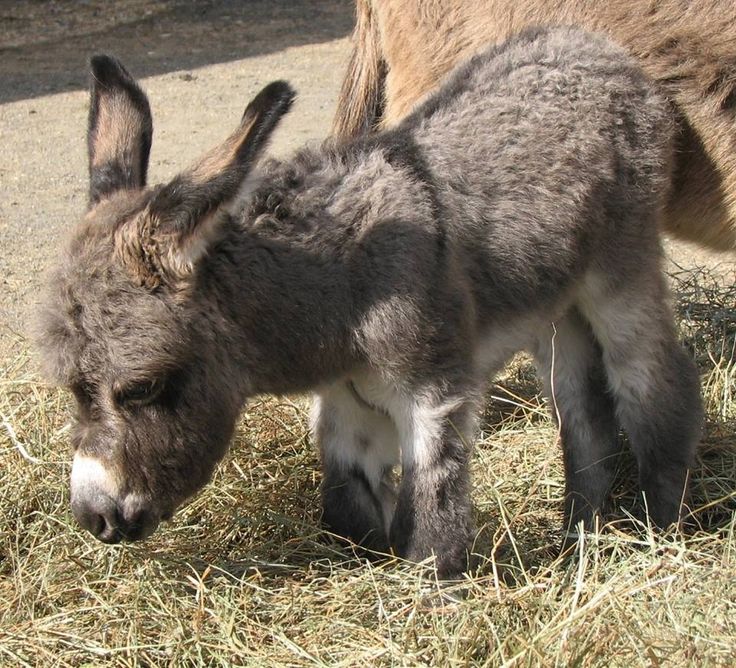
Gentle Giants in Miniature: Miniature Donkeys

elabuelofamilyrestaurant.com – Miniature donkeys, with their small stature and gentle demeanor, have captured the hearts of many around the world. These tiny creatures, often referred to as “gentle giants in miniature,” are not only adorable but also make excellent companions and pets. In this article, we will explore the world of miniature donkeys, their characteristics, care, and the joy they bring to their human companions.

The Charm of Miniature Donkeys

Miniature donkeys, also known as mini donkeys, are a smaller version of the standard donkey. They stand at a height of approximately 36 inches or less at the shoulder. Despite their small size, they possess the same intelligence, hardiness, and friendly nature as their larger counterparts. These qualities, along with their long ears and soulful eyes, make them irresistible to many.

Characteristics of Miniature Donkeys

Miniature donkeys are known for their calm and friendly temperament. They are social animals that thrive on human interaction and companionship. Their gentle nature makes them suitable for families with children, as they are patient and tolerant. These donkeys are also intelligent and can be trained to perform various tasks and tricks.

Physically, miniature donkeys are sturdy and have a thick coat that comes in a variety of colors and patterns. They have a lifespan of about 25 to 30 years, which is longer than many other domestic animals. This longevity, combined with their low maintenance requirements, makes them ideal pets for those looking for a long-term companion.

Caring for Miniature Donkeys

Caring for a miniature donkey is relatively straightforward but requires commitment and understanding of their needs. They require a diet of hay, fresh water, and a mineral block. Grazing on grass is beneficial but should be limited to prevent obesity and related health issues. Regular hoof trimming, vaccinations, and deworming are essential for their health.

Miniature donkeys are hardy and can adapt to various climates, but they do require shelter to protect them from extreme weather conditions. They are social animals and should not be kept alone; they thrive when kept in pairs or groups.

The Joy of Miniature Donkeys

Miniature donkeys bring a unique joy to their human companions. Their calm and affectionate nature makes them excellent therapy animals. They are also known to form strong bonds with their owners, often following them around like a loyal dog. Their presence can provide comfort and companionship, making them ideal pets for people of all ages.

In addition to being pets, miniature donkeys can serve other purposes. They are often used as guard animals for livestock, as their protective instincts and loud bray can deter predators. They can also be trained for light work, such as pulling carts or participating in shows and exhibitions.

Conclusion

Miniature donkeys are truly gentle giants in miniature. They offer a unique combination of intelligence, hardiness, and affection that makes them wonderful companions. Whether as pets, therapy animals, or working donkeys, they enrich the lives of those who care for them. If you are considering adding a miniature donkey to your family, be prepared for a long-term commitment filled with love, laughter, and the joy of a loyal and loving companion.