Texasville (1990): A Return to the Heart of Small-Town Life

elabuelofamilyrestaurant.com – Texasville, released in 1990, is a sequel to Peter Bogdanovich’s 1971 classic The Last Picture Show, continuing the story of the residents of the fictional small town of Anarene, Texas. Directed by Bogdanovich and based on the novel by Larry McMurtry, Texasville brings back beloved characters from the original film, including Jeff Bridges as Duane Jackson, Cybill Shepherd as Jacy Farrow, and a host of other familiar faces. Set 30 years after the events of The Last Picture Show, the film explores the passage of time, the challenges of aging, and the enduring power of nostalgia.

The Setting: A Town in Transition

In Texasville, the once-thriving town of Anarene is a shadow of its former self. The oil boom that fueled the town’s prosperity has long since dried up, and the residents are left to contend with a shrinking economy, changing cultural dynamics, and the inevitable passage of time. The film opens with Duane Jackson, now middle-aged and grappling with his place in a world that no longer seems to recognize him. Duane’s life is in a state of flux, and he is struggling with the responsibilities of family, his business, and his ongoing feelings of inadequacy.

Duane’s return to Anarene is a metaphor for the broader theme of the film—how small towns, like their inhabitants, are forever shaped by the past, and how the residents’ attempts to reclaim or redefine themselves can be both nostalgic and painful. Texasville serves as a reflection on how communities change, but also how the past can linger, often haunting the characters in unexpected ways.

Duane Jackson: A Man Caught Between the Past and Present

Jeff Bridges reprises his role as Duane Jackson, the once-promising football player who has spent the years since The Last Picture Show struggling to find his identity and purpose. Now in his 40s, Duane is no longer the star of his youth. He’s a man dealing with the consequences of lost dreams, unfulfilled potential, and the complexities of relationships with his wife, his children, and the people of Anarene.

Bridges’ performance in Texasville is a poignant exploration of the passage of time. Duane is both nostalgic for the past and resentful of it, unable to reconcile the man he once was with the man he has become. His existential struggles provide the emotional core of the film, and Bridges expertly conveys the frustration and confusion that comes with realizing that time moves on, whether you’re ready for it or not.

Jacy Farrow: Revisiting the Heart of the Town

Cybill Shepherd returns as Jacy Farrow, who, in The Last Picture Show, was a symbol of youthful beauty, desire, and unattainable love. In Texasville, Jacy is now older, wiser, and far from the carefree woman she once was. Her relationship with Duane remains complicated, as the two of them navigate the complexities of aging, their past love, and the lingering attraction they still feel for each other.

Jacy’s storyline in Texasville explores themes of reconciliation with the past, as she comes to terms with her own choices and the woman she has become. Shepherd brings depth and nuance to the role, portraying Jacy as a woman who has lived a full life but is still searching for fulfillment and meaning.

Themes of Aging, Nostalgia, and Regret

One of the central themes of Texasville is the passage of time and the ways in which it shapes people’s lives. The characters in the film are confronted with the reality of getting older, the disappointments that come with unfulfilled dreams, and the bittersweet memories of their youth. The town itself serves as a metaphor for this process of decay, with the once-vibrant community now in decline.

The nostalgia for the past is a powerful force throughout the film. For Duane and Jacy, as well as the other residents of Anarene, the memories of their youth continue to shape their present lives. Duane’s inability to let go of his past as a football star and his unresolved feelings for Jacy reflect the broader theme of how the past can haunt individuals, making it difficult to fully embrace the present and future.

However, Texasville does not dwell solely on regret and loss. The film also highlights the possibility of change and redemption. As Duane and Jacy reconnect, they begin to question whether it’s too late to alter the course of their lives, suggesting that there is still room for growth and reinvention, even in the face of age and missed opportunities.

A Sequel with a Different Tone

While Texasville shares many of the same characters and settings as The Last Picture Show, the tone of the film is noticeably different. Where the original was a melancholic, coming-of-age story filled with yearning and youthful disillusionment, Texasville takes a more reflective and mature approach. The characters in Texasville are no longer idealistic teenagers dreaming of a different future; they are adults grappling with the realities of their lives, which often feel far removed from their youthful aspirations.

The film’s pacing is slower than its predecessor, with a focus on character development and introspection. This slower pace may not appeal to everyone, but it is fitting for a story about people who have been through the trials of life and are now reflecting on their past choices.

The Film’s Reception and Legacy

Upon its release, Texasville received mixed reviews from critics. While many praised the performances of the cast, particularly Jeff Bridges and Cybill Shepherd, others felt that the film lacked the emotional punch and raw energy of The Last Picture Show. Some viewers were also disappointed by the more leisurely pace and less compelling narrative structure, feeling that it did not live up to the greatness of the original.

Despite these criticisms, Texasville has gained a certain appreciation over the years, particularly among fans of The Last Picture Show who wanted to revisit the lives of the characters they had come to love. The film’s exploration of aging, nostalgia, and the passing of time resonates with those who can relate to the bittersweet nature of revisiting the past and confronting one’s own mortality.

Conclusion: A Reflective Sequel About the Passage of Time

Texasville (1990) is a thoughtful and introspective sequel to The Last Picture Show, offering a glimpse into the lives of characters who are now grappling with the passage of time, the changes in their community, and their own personal regrets. While it may not have the same raw power or youthful energy of the original film, Texasville provides a nuanced look at aging, love, and the possibility of redemption. With strong performances from Jeff Bridges and Cybill Shepherd, the film offers a poignant reflection on how the past can shape the present, and how even in the face of change, there is still room for growth and second chances.

Train to Busan: A Thrilling Ride Through Humanity’s Collapse

elabuelofamilyrestaurant.com – Yeon Sang-ho’s 2016 South Korean zombie apocalypse film, Train to Busan (Busanhaeng), became a global phenomenon, revitalizing the zombie genre with its fast-paced action, emotional depth, and poignant social commentary. Set primarily on a high-speed train from Seoul to Busan during a zombie outbreak, the film delivers a thrilling and harrowing ride that explores themes of survival, sacrifice, and the human condition in the face of unimaginable crisis. This article delves into the film’s narrative, characters, themes, and its impact on the zombie genre.

A Nation Overrun: Plot Summary

The film opens amidst growing reports of strange outbreaks across South Korea. Seok-woo, a workaholic fund manager and divorced father, reluctantly agrees to take his young daughter, Su-an, to Busan to see her mother. They board the KTX 101 train at Seoul Station, unaware that a zombie outbreak is rapidly escalating.

Shortly after departure, a infected woman boards the train, triggering a rapid and terrifying spread of the zombie virus. The passengers are forced to fight for survival within the confined space of the train, as the undead relentlessly pursue them. The journey to Busan becomes a desperate struggle for survival, with the passengers facing not only the zombies but also the moral dilemmas of self-preservation versus altruism.

A Cross-Section of Society: Character Analysis

Train to Busan features a diverse cast of characters, each representing different aspects of society:

  • Seok-woo: Played with compelling depth by Gong Yoo, Seok-woo is a self-centered fund manager who gradually learns the importance of selflessness and sacrifice through his interactions with his daughter and the other passengers. His character arc is central to the film’s emotional core.
  • Su-an: Portrayed with touching innocence by Kim Su-an, Su-an is Seok-woo’s young daughter, whose compassion and empathy serve as a moral compass for her father and the other survivors.
  • Sang-hwa: Played with charismatic strength by Ma Dong-seok, Sang-hwa is a working-class man traveling with his pregnant wife. He becomes a protective force for the other passengers, demonstrating remarkable courage and selflessness.
  • Yong-suk: Played by Kim Eui-sung, Yong-suk is a selfish and opportunistic executive who prioritizes his own survival above all else. His character embodies the darker aspects of human nature in times of crisis.

Themes of Selfishness vs. Selflessness, Social Class, and Family

Train to Busan explores several relevant themes:

  • Selfishness vs. Selflessness: The film presents a stark contrast between characters who prioritize their own survival at the expense of others and those who demonstrate compassion and self-sacrifice. This conflict highlights the moral choices individuals face in extreme situations.
  • Social Class: The film subtly touches on issues of social class, with characters from different backgrounds reacting differently to the crisis. The contrast between the wealthy executive and the working-class man underscores the social inequalities that exist even in the face of a global disaster.
  • Family: The bond between Seok-woo and Su-an is the emotional heart of the film. Their relationship drives Seok-woo’s transformation and provides a powerful emotional anchor for the audience.

A Modern Zombie Classic: Impact and Legacy

Train to Busan became a global box office hit, receiving widespread critical acclaim for its thrilling action sequences, its emotional depth, and its social commentary. The film revitalized the zombie genre, proving that it could still offer fresh and compelling stories.

The film’s fast-paced zombie action, combined with its strong character development and emotional resonance, set it apart from other zombie films. Its success paved the way for other Korean genre films to reach international audiences.

Conclusion

Train to Busan is more than just a zombie action film; it is a compelling human drama that explores the complexities of human behavior in the face of a catastrophic event. Its blend of thrilling action, emotional depth, and social commentary makes it a truly unforgettable cinematic experience. The film’s exploration of themes like family, sacrifice, and the struggle between selfishness and selflessness continues to resonate with audiences worldwide.

The Fortress (2017): A Nation Divided Within Fortress Walls

elabuelofamilyrestaurant.com – “The Fortress” (Korean: 남한산성; Namhansanseong), released in 2017, is a South Korean historical drama film directed by Hwang Dong-hyuk, known for his later work on “Squid Game.” Based on the 2007 novel of the same name by Kim Hoon, the film depicts the 47-day siege of Namhansanseong Fortress during the Second Manchu invasion of Korea in 1636. “The Fortress” offers a stark and intimate portrayal of the political debates, human suffering, and desperate struggle for survival within the fortress walls.

Historical Context: The Siege of Namhansanseong

The film is set during the winter of 1636, when the Qing Dynasty of Manchuria invaded Joseon Korea. King Injo (Park Hae-il) and his court sought refuge in the mountainous Namhansanseong Fortress, hoping to withstand the Manchu onslaught. The siege that followed was marked by harsh winter conditions, dwindling supplies, and intense political divisions within the besieged fortress.

A Divided Court: The Clash of Ideologies

“The Fortress” focuses primarily on the internal conflicts within the royal court, specifically the opposing viewpoints of two key figures: Choi Myung-kil (Lee Byung-hun), a pragmatic official advocating for negotiation with the Qing, and Kim Sang-heon (Kim Yun-seok), a staunchly patriotic official who insists on fighting to the bitter end. This central conflict forms the core of the film’s narrative.

Choi Myung-kil: The Advocate for Negotiation

Choi Myung-kil, a real historical figure, is portrayed as a level-headed and pragmatic strategist. He recognizes the overwhelming military superiority of the Qing forces and believes that negotiation is the only way to prevent further bloodshed and secure the survival of the nation. He argues for accepting the Qing’s terms, however humiliating, to buy time and rebuild Korea’s strength.

Kim Sang-heon: The Voice of Resistance

Kim Sang-heon, also a historical figure, represents the unwavering spirit of resistance. He vehemently opposes any form of surrender, believing that accepting the Qing’s terms would be a national disgrace and a betrayal of Korea’s sovereignty. He urges the king and his court to fight to the last man, even in the face of certain defeat.

The Human Cost of War: Suffering Within the Walls

While the political debates rage within the fortress, the film also portrays the suffering of the soldiers and civilians trapped inside. The harsh winter conditions, coupled with dwindling food supplies and the constant threat of attack, create a desperate and demoralizing atmosphere. The film does not shy away from depicting the brutal realities of war and the toll it takes on human lives.

Themes of Diplomacy, Patriotism, and Survival

“The Fortress” explores several complex themes:

  • Diplomacy vs. Resistance: The film presents a nuanced exploration of the difficult choices faced by leaders in times of war. It examines the merits and drawbacks of both diplomacy and resistance, highlighting the complexities of each approach.
  • Patriotism and National Identity: The film delves into the meaning of patriotism and national identity, questioning what it means to defend one’s country and what sacrifices are justifiable in the name of national survival.
  • The Human Condition in Wartime: “The Fortress” offers a stark and realistic portrayal of the human condition in wartime, depicting the fear, desperation, and resilience of individuals caught in the midst of conflict.

Powerful Performances and Intimate Storytelling

The film features powerful performances from Lee Byung-hun and Kim Yun-seok, who effectively portray the opposing viewpoints of Choi Myung-kil and Kim Sang-heon. Park Hae-il delivers a nuanced portrayal of King Injo, capturing his internal struggles and the weight of his responsibilities. The film’s intimate storytelling and focus on character interactions create a compelling and emotionally resonant experience.

A Reflection on History and Leadership

“The Fortress” is more than just a historical war film; it is a reflection on the difficult choices faced by leaders in times of crisis. It explores the complexities of political decision-making, the human cost of war, and the enduring questions of national identity and survival. Its focus on the internal struggles within the besieged fortress offers a unique and insightful perspective on a pivotal moment in Korean history. The film’s exploration of these timeless themes continues to resonate with audiences, making it a significant contribution to Korean cinema.

The Princess Diaries: A Royal Transformation

elabuelofamilyrestaurant.com – The Princess Diaries, a beloved film released in 2001, follows the heartwarming story of Mia Thermopolis, an ordinary American teenager who discovers a royal secret: she is the heir to the throne of the fictional European kingdom of Genovia.

Played by the talented Anne Hathaway, Mia is a shy and awkward girl who struggles to fit in at school. Her life takes an unexpected turn when she meets her grandmother, Queen Clarisse Renaldi, who reveals her royal lineage.

A Royal Education

As Mia adjusts to her newfound identity, she embarks on a whirlwind journey to become a princess. Under the guidance of her grandmother and a strict etiquette teacher, she learns the art of royal protocol, public speaking, and diplomacy.

Despite the challenges, Mia remains true to herself. She navigates the pressures of royal life with humor, grace, and a touch of teenage rebellion. She also faces the challenges of balancing her royal duties with her friendships and schoolwork.

A Royal Romance

As Mia grows into her role as a princess, she also experiences the joys and complexities of young love. She develops a romantic interest in Michael Moscovitz, a charming and intelligent boy from her school. Their relationship adds a layer of sweetness and youthful energy to the film.

A Tale of Self-Discovery

The Princess Diaries is more than just a fairy tale; it is a coming-of-age story that explores themes of identity, self-acceptance, and the power of belief. Mia’s journey from an ordinary girl to a princess is a metaphor for the transformative power of self-discovery.

Justine: A Controversial Exploration of Love and Obsession

elabuelofamilyrestaurant.com – George Cukor’s 1969 film, Justine, is a controversial adaptation of Lawrence Durrell’s erotic novel of the same name. Set in Alexandria, Egypt, during the 1930s, the film explores themes of love, obsession, and the complexities of human desire.

A Star-Studded Cast

The film boasts a star-studded cast, including Anouk Aimée, Dirk Bogarde, and Robert Forster. Aimée delivers a captivating performance as Justine, a beautiful and enigmatic woman who becomes entangled in a web of desire and obsession. Bogarde plays Darley, a writer who becomes infatuated with Justine, and Forster portrays Nessim, a wealthy and powerful man who is also captivated by her.

A Controversial and Erotic Tale

Justine is a provocative and sexually explicit film that pushed the boundaries of censorship at the time of its release. The film’s erotic scenes and its frank exploration of sexuality were considered controversial by many. Despite the controversy, the film’s bold and unflinching portrayal of human desire has earned it a cult following.

A Visual and Auditory Feast

Cukor’s film is a visual and auditory feast, with stunning cinematography capturing the exotic beauty of Alexandria. The film’s lush and vibrant colors, combined with its evocative score, create a sensual and atmospheric experience. The costumes and set design are equally impressive, transporting viewers to a bygone era.

A Timeless Exploration of Desire

Justine is a timeless exploration of desire, obsession, and the human condition. The film’s complex characters and its unflinching portrayal of sexuality continue to resonate with audiences today. While it may not be for everyone, Justine is a bold and provocative film that challenges conventional notions of love and morality.

Opening Night: A Exploration of Performance & Reality

elabuelofamilyrestaurant.com – John Cassavetes’ Opening Night (1977) is a metacinematic exploration of performance, reality, and the blurred lines between the two. This masterpiece delves into the psyche of Myrtle Gordon (Gena Rowlands), a renowned stage actress grappling with age, mortality, and the pressures of her craft.   

A Haunting Performance

Gena Rowlands delivers a tour-de-force performance as Myrtle, a complex and troubled character who is both captivating and repulsive. Her raw and unfiltered portrayal of a woman on the brink of a mental breakdown is both mesmerizing and disturbing. Rowlands’ ability to convey a wide range of emotions, from vulnerability to rage, makes her performance one of the most iconic in cinematic history.   

The Blurring of Lines

Opening Night explores the blurred lines between the actor and the character, the stage and the real world. Myrtle’s life begins to intertwine with her role in the play, blurring the boundaries between fiction and reality. This metafictional approach allows Cassavetes to delve into the psychological depths of his characters and to explore the nature of performance itself.   

A Cinematic Experiment

Opening Night is a cinematic experiment that pushes the boundaries of traditional filmmaking. Cassavetes’ use of long takes, improvisation, and a naturalistic style creates a sense of authenticity and immediacy that is both captivating and unsettling. The film’s loose structure and meandering narrative reflect the chaotic and unpredictable nature of the creative process.   

A Timeless Exploration of the Human Condition

Despite its unconventional style and challenging subject matter, Opening Night remains a timeless exploration of the human condition. Its themes of aging, mortality, and the search for meaning continue to resonate with audiences today. Cassavetes’ masterful direction, combined with Rowlands’ iconic performance, makes this film a must-see for any cinephile.

Conclusion

Opening Night is a bold and innovative film that challenges the conventions of traditional cinema. Its exploration of the complexities of performance, reality, and the human psyche is both thought-provoking and emotionally resonant. Cassavetes’ masterpiece is a testament to the power of cinema to capture the essence of the human experience.

Won Ton Ton, the Dog Who Saved Hollywood: A Canine Comedy Caper

elabuelofamilyrestaurant.com – Released in 1976, “Won Ton Ton, the Dog Who Saved Hollywood” is a comedic film that celebrates the power of canine companionship. Directed by Michael Winner and starring Bruce Dern, Kim Darby, and, of course, the titular canine star, the film is a lighthearted and nostalgic tribute to the golden age of Hollywood.

A Dog’s-Eye View of Tinseltown

The film follows the story of Won Ton Ton, a German Shepherd with a heart of gold and a knack for show business. When a series of mysterious accidents plague Hollywood, Won Ton Ton emerges as the unlikely hero, protecting the stars and saving the day. As the canine detective investigates the crimes, he encounters a colorful cast of characters, including a glamorous diva, a bumbling private eye, and a sinister villain.

A Canine Comedy Classic

“Won Ton Ton, the Dog Who Saved Hollywood” is a delightful blend of comedy, action, and adventure. The film’s humorous script, coupled with Won Ton Ton’s charming performance, creates a lighthearted and enjoyable viewing experience. The film’s nostalgic tone, which pays homage to classic Hollywood films, adds to its appeal.

A Cult Following and Enduring Legacy

Despite its mixed reviews upon release, “Won Ton Ton, the Dog Who Saved Hollywood” has developed a cult following over the years. Its campy humor, over-the-top performances, and endearing canine star have resonated with audiences who appreciate its unique blend of comedy and nostalgia. The film’s enduring legacy is a testament to the power of canine companionship and the enduring appeal of classic Hollywood.

A Tail-Wagging Good Time

“Won Ton Ton, the Dog Who Saved Hollywood” is a fun and heartwarming film that celebrates the bond between humans and animals. Its lighthearted tone, colorful characters, and canine hero make it a perfect choice for a family-friendly movie night. Whether you’re a dog lover or a fan of classic Hollywood, this film is sure to bring a smile to your face.

India (1960): A Cinematic Journey to the Subcontinent

elabuelofamilyrestaurant.com – India (1960), an Italian-French historical drama film directed by Roberto Rossellini, is a cinematic journey that transports viewers to the heart of ancient India. This epic film delves into the rich history and culture of the Indian subcontinent, focusing on the life and teachings of Buddha.

A Poetic Exploration of Spiritual Awakening

Rossellini’s India is not a traditional historical biopic. Instead, it is a poetic and contemplative exploration of spirituality, philosophy, and the human condition. The film eschews conventional storytelling techniques, opting for a more meditative and introspective approach.

A Masterful Cast and Stunning Cinematography

The film features a talented cast, including Vittorio Gassman as Buddha, Ingrid Thulin as Yasodhara (Buddha’s wife), and Alain Cuny as Nanda (Buddha’s half-brother). The stunning cinematography captures the beauty and diversity of India’s landscapes, from the serene mountains to the bustling cities.

A Controversial Release and Enduring Legacy

Upon its release, India received mixed reviews from critics. Some praised its ambitious scope and its exploration of spiritual themes, while others criticized its slow pace and lack of narrative structure. Despite the initial controversy, the film has gained a cult following over the years, and it is now considered a classic of world cinema.

A Timeless Masterpiece

India is more than just a historical film; it is a timeless masterpiece that continues to inspire and provoke thought. Its exploration of spirituality, philosophy, and the human condition remains as relevant as ever, making it a must-watch for anyone interested in the history of cinema or the rich cultural heritage of India.

Old Gringo: A Tale of Love, Loss, and Revolution

elabuelofamilyrestaurant.com – Old Gringo, a 1989 historical drama film directed by Luis Puenzo, is a captivating exploration of love, loss, and the tumultuous backdrop of the Mexican Revolution. Based on the novel by Carlos Fuentes, the film stars Jane Fonda, Gregory Peck, and Jimmy Smits in a complex and intriguing love triangle.   

A Chance Encounter

Jane Fonda portrays Harriet Winslow, a young American schoolteacher who travels to Mexico in 1913 to escape her mundane life. She becomes embroiled in the Mexican Revolution when she is kidnapped by General Tomas Arroyo (Jimmy Smits), a charismatic revolutionary leader. While held captive, Harriet forms an unexpected bond with Ambrose Bierce (Gregory Peck), an aging American writer who is also caught up in the chaos of the revolution.   

A Love Story Against a Violent Backdrop

As the film unfolds, a complex love triangle emerges between Harriet, General Arroyo, and Ambrose Bierce. Harriet is drawn to the passion and intensity of Arroyo, but she is also captivated by Bierce’s wit, wisdom, and world-weariness. The film explores the complexities of love and desire, as well as the impact of historical events on individual lives.   

A Powerful Performance by Jane Fonda

Jane Fonda delivers a powerful and nuanced performance as Harriet Winslow. She brings depth and complexity to her character, portraying a woman who is both strong and vulnerable. Her chemistry with both Gregory Peck and Jimmy Smits is electric, adding to the film’s emotional intensity.

A Cinematic Exploration of the Mexican Revolution

Old Gringo offers a cinematic exploration of the Mexican Revolution, capturing the violence, chaos, and idealism of that turbulent era. The film’s stunning visuals and evocative score create a rich and immersive experience.  

Jane Fonda’s Impact on Film

Jane Fonda has had a significant impact on the film industry, both as an actress and as an activist. Her roles often challenge societal norms and address important social issues. In Old Gringo, she delivers a complex and compelling performance that showcases her versatility as an actress.  

Conclusion

Old Gringo is a thought-provoking and emotionally charged film that explores the complexities of love, loss, and the human condition. Its stunning visuals, powerful performances, and historical context make it a compelling watch for fans of historical drama and romantic films.

Two Tickets to Broadway: A Whimsical Musical Romance

elabuelofamilyrestaurant.com – Two Tickets to Broadway (1951) is a charming musical comedy that captures the magic of show business and the allure of New York City. Directed by Rouben Mamoulian and starring Tony Curtis and Janet Leigh, the film follows the story of two young people with dreams of making it big on Broadway.

A Chance Encounter and a Shared Dream

The film opens with Jeff (Tony Curtis), a talented but struggling songwriter, and Kay (Janet Leigh), an aspiring actress, meeting by chance on a train. They quickly bond over their shared passion for the theater and their desire to escape their small-town lives.

A Journey to the Big Apple

Together, they embark on a journey to New York City, the heart of the American theater industry. With their limited resources and unwavering determination, they navigate the bustling metropolis, facing a series of challenges and setbacks.

A Whimsical Tale of Love and Ambition

As Jeff and Kay chase their dreams, they fall in love. Their romantic relationship adds a heartwarming element to the film, as they support each other through thick and thin. The film’s musical numbers, including the catchy “Hey, Look Me Over,” showcase the talents of Tony Curtis and Janet Leigh, who both sing and dance with enthusiasm.

A Classic Hollywood Musical

Two Tickets to Broadway is a classic Hollywood musical that captures the spirit of the 1950s. Its colorful sets, lively musical numbers, and romantic storyline make it a timeless film. While the plot may be somewhat predictable, the film’s charm and nostalgic appeal continue to resonate with audiences.

The Letter (1982): A Timeless Tale of Love, Lies, and Justice

elabuelofamilyrestaurant.com – The Letter (1982) is a captivating television film adaptation of W. Somerset Maugham’s classic play. Set in the exotic and sultry climate of colonial Malaya, the film delves into a complex web of love, deceit, and murder.

A Femme Fatale at the Center

Lee Remick delivers a mesmerizing performance as Leslie Crosbie, a glamorous and enigmatic woman accused of murdering her lover. Remick’s portrayal of a woman trapped in a dangerous situation is both alluring and terrifying.

A High-Stakes Legal Drama

The film follows the trial of Leslie Crosbie, as she is defended by the skilled lawyer, Howard Jolly, played by Ronald Pickup. The courtroom scenes are tense and gripping, as the prosecution and defense clash over the truth of Leslie’s actions.

A Glimpse into Colonial Malaya

The Letter offers a fascinating glimpse into the colonial era, capturing the opulent lifestyle of the British expatriates and the simmering tensions between the colonial powers and the local population. The film’s stunning visuals and evocative score transport the viewer to a bygone era.

A Timeless Exploration of Love, Lust, and Obsession

At its core, The Letter is a timeless exploration of love, lust, and obsession. The film delves into the destructive power of passion and the consequences of one’s actions.

A Must-Watch for Fans of Classic Drama

For fans of classic drama and psychological thrillers, The Letter is a must-watch. Its compelling story, strong performances, and atmospheric setting make it a truly unforgettable viewing experience.

Hollywood or Bust: A Classic Comedy Road Trip

elabuelofamilyrestaurant.com – Hollywood or Bust is a 1956 American musical comedy film starring the iconic comedy duo of Dean Martin and Jerry Lewis. This film marked the end of their partnership, making it a bittersweet farewell to one of the most beloved comedy teams in cinematic history.  

A Cross-Country Misadventure

The film follows the misadventures of two unlikely companions: Steve Wiley (Dean Martin), a charming but debt-ridden singer, and Malcolm Smith (Jerry Lewis), a nerdy and star-struck movie fan. When both men win a new car in a raffle, they decide to embark on a cross-country road trip to Hollywood, where Malcolm dreams of meeting his idol, actress Anita Ekberg.   

A Comedy of Errors

As they journey across the United States, Steve and Malcolm encounter a series of hilarious mishaps and comedic situations. From encounters with eccentric characters to wild chases and slapstick humor, the film is filled with non-stop laughter.   

One of the film’s most memorable moments is the introduction of Mr. Ziffel, Malcolm’s massive Great Dane. The dog’s antics and interactions with the duo provide many of the film’s funniest scenes.

A Nostalgic Look Back

Hollywood or Bust is a nostalgic look back at a simpler time, capturing the spirit of the 1950s. The film’s bright and colorful visuals, combined with its catchy musical numbers, evoke a sense of carefree optimism.

While the film is primarily a comedy, it also touches on themes of friendship, loyalty, and the pursuit of dreams. Despite their differences, Steve and Malcolm form a strong bond as they navigate the challenges of their journey.

A Lasting Legacy

Hollywood or Bust may be the final film to feature Dean Martin and Jerry Lewis together, but their comedic brilliance lives on. The film is a timeless classic that continues to entertain audiences of all ages.

Seven Deaths in the Cat’s Eye (1973): A Gothic Horror Mystery

elabuelofamilyrestaurant.com – “Seven Deaths in the Cat’s Eye,” directed by Antonio Margheriti, is a 1973 Italian horror film that blends gothic elements with a murder mystery. Set in a gloomy Scottish castle, the film offers viewers a chilling narrative filled with suspense, intrigue, and supernatural overtones. Known for its atmospheric setting and dramatic storyline, it stands as a notable example of the giallo genre, which combines horror and mystery with a distinctively Italian flair.

Plot and Themes

The story unfolds in a secluded castle, where a series of grisly murders begins to unravel the lives of its inhabitants. The plot centers around Corringa, played by Jane Birkin, a young woman who returns to her family’s ancestral home, only to find herself entangled in a web of secrets and death. As the body count rises, the castle becomes a claustrophobic labyrinth of fear, with a mysterious cat seemingly witnessing each murder.

The film explores themes of family secrets, madness, and the supernatural. The pervasive atmosphere of dread and the ominous presence of the castle contribute to the film’s gothic tone. The narrative keeps viewers guessing, with numerous twists and turns that lead to a shocking conclusion.

Visual Style and Direction

Antonio Margheriti, known for his work in the horror and science fiction genres, employs a rich visual style that enhances the film’s eerie ambiance. The dark, shadowy interiors of the castle and the mist-covered exteriors create a sense of isolation and suspense. Margheriti’s direction skillfully combines visual elements with the film’s ominous score to heighten the tension and horror.

The film’s use of color and lighting is particularly effective in creating a mood that is both haunting and beautiful. The cinematography captures the gothic aesthetic, making the castle itself a character in the story, filled with hidden passages and secrets waiting to be uncovered.

Reception and Impact

Upon its release, “Seven Deaths in the Cat’s Eye” received mixed reviews but has since gained a cult following. Fans of the giallo genre appreciate its atmospheric setting, intriguing plot, and Margheriti’s distinctive directorial style. The film contributes to the rich tradition of Italian horror cinema, known for its unique blend of suspense, style, and psychological depth.

In retrospect, “Seven Deaths in the Cat’s Eye” is celebrated for its ability to maintain suspense while providing a visually captivating experience. Its combination of gothic elements and murder mystery remains appealing to audiences who enjoy films that keep them on the edge of their seats. As a result, it continues to be a favorite among enthusiasts of classic horror and giallo films.

Class (1983): Comedy-Drama Exploring Youth – Private School

elabuelofamilyrestaurant.com – “Class” (1983) is a comedy-drama film that delves into the complexities of adolescence, privilege, and friendship within the hallowed halls of a prestigious private school. Directed by Lewis John Carlino, the film offers a blend of humor and drama, capturing the tumultuous experiences of a young man navigating the challenges of elite academic life. With its engaging storyline and memorable performances, “Class” explores themes of identity, social expectations, and the often unpredictable journey of self-discovery.

Plot Overview

The film centers around Jonathan Ogner, a bright yet naive teenager from a modest background, who earns a scholarship to attend an exclusive preparatory school. Played by Andrew McCarthy, Jonathan is initially overwhelmed by the new world of wealth and privilege that surrounds him. His roommate, Skip Burroughs, portrayed by Rob Lowe, comes from a wealthy family and quickly becomes Jonathan’s closest friend and guide to this unfamiliar environment.

As Jonathan tries to fit in, he embarks on an unexpected and complicated romantic relationship with Ellen Burroughs, a sophisticated older woman who, unbeknownst to him, is Skip’s mother. Played by Jacqueline Bisset, Ellen becomes both a source of excitement and turmoil in Jonathan’s life. The narrative unfolds with a mix of comedic and dramatic elements, exploring the consequences of Jonathan’s choices and the impact on his friendship with Skip.

Cast and Performances

“Class” features a talented cast that brings depth and authenticity to the film’s characters. Andrew McCarthy delivers a compelling performance as Jonathan, capturing the innocence and vulnerability of a young man caught between two worlds. Rob Lowe shines as Skip, effortlessly portraying the charm and confidence of a privileged youth while revealing the underlying complexities of his character.

Jacqueline Bisset’s portrayal of Ellen adds layers to the story, as she navigates the intricacies of her relationship with Jonathan and the inevitable fallout. The supporting cast, including John Cusack and Alan Ruck in early roles, contributes to the film’s dynamic ensemble, enhancing the authenticity of the private school setting.

Cinematic Elements

Director Lewis John Carlino skillfully balances the comedic and dramatic elements of the story, creating a film that is both entertaining and thought-provoking. The script, co-written by Jim Kouf and David Greenwalt, cleverly combines humor with poignant moments, capturing the essence of teenage angst and the journey toward self-awareness.

The film’s setting, a picturesque and elite private school, is brought to life through thoughtful cinematography and production design. The contrast between Jonathan’s modest background and the opulence of his new environment is visually striking, reinforcing the film’s exploration of class dynamics and personal growth.

Conclusion

“Class” (1983) offers a unique blend of comedy and drama, providing an insightful look at the challenges and triumphs of adolescence. Through its engaging narrative and strong performances, the film explores themes of friendship, identity, and the societal pressures faced by young adults. As Jonathan navigates the complexities of private school life and his unexpected romance, “Class” remains a relatable and entertaining exploration of youth and the often humorous, sometimes painful, journey to self-discovery.

The Hell with Heroes (1968): A Post-War Drama

elabuelofamilyrestaurant.com – “The Hell with Heroes,” directed by Joseph Sargent and released in 1968, is a gripping post-war drama set in the aftermath of World War II. The film explores the challenges faced by veterans as they attempt to reintegrate into civilian life while dealing with moral and ethical dilemmas. With its intriguing plot and strong performances, “The Hell with Heroes” offers a unique perspective on the complexities of post-war existence.

Plot Overview

The film follows the story of two former Air Force pilots, Brynie MacKay (Rod Taylor) and Mike Brewer (Pete Duel), who find themselves struggling to adapt to civilian life in North Africa after the war. With limited opportunities available, they become involved in smuggling operations to make ends meet. Their lives take a dangerous turn when they become entangled with an unscrupulous businessman, Harry Zinder (Harry Guardino), who coerces them into participating in illegal activities.

As they navigate a world of moral ambiguity and corruption, Brynie and Mike must confront their own values and loyalties. The stakes rise as they delve deeper into the criminal underworld, leading to a suspenseful and dramatic climax.

Themes and Symbolism

“The Hell with Heroes” delves into themes of loyalty, survival, and the moral complexities faced by individuals in the aftermath of war. The film portrays the struggle of veterans who, despite their heroic pasts, grapple with finding purpose and integrity in a world that has drastically changed. The North African setting serves as a metaphor for the protagonists’ internal conflicts, highlighting the barrenness and isolation they experience.

Cinematic Style

Joseph Sargent’s direction is characterized by its tense narrative and atmospheric setting. The film effectively utilizes its North African backdrop to create a sense of desolation and uncertainty, mirroring the characters’ internal struggles. The storytelling is enhanced by a moody musical score that underscores the film’s dramatic tension.

Performances

Rod Taylor delivers a compelling performance as Brynie MacKay, capturing the character’s internal conflict and determination. Pete Duel complements Taylor with his portrayal of Mike Brewer, adding depth to the dynamic between the two friends. Harry Guardino’s role as the manipulative Harry Zinder provides a formidable antagonist, driving the narrative forward with his cunning and deceit.

Legacy

While “The Hell with Heroes” may not have achieved the same level of recognition as some other films of its era, it remains a noteworthy exploration of post-war themes. Its focus on the psychological and ethical challenges faced by veterans offers a unique perspective on the period, contributing to the broader conversation about the impact of war on individuals and society.

Conclusion

“The Hell with Heroes” is a thought-provoking drama that sheds light on the complexities of life after war. Through its engaging storyline and strong performances, the film invites viewers to consider the difficult choices and moral dilemmas faced by those who served. Joseph Sargent’s film remains a compelling piece of cinema, offering insight into the enduring challenges of reintegration and the quest for meaning in a changed world.

Marriage Italian Style (1964): A Cinematic Gem

elabuelofamilyrestaurant.com – “Marriage Italian Style” (1964), directed by Vittorio De Sica, is a classic Italian comedy-drama that beautifully encapsulates the complexities of love and relationships. Starring the legendary Sophia Loren and Marcello Mastroianni, this film is a testament to the power of performance, storytelling, and direction in cinema.

Plot Overview

Set against the backdrop of post-World War II Italy, the film tells the story of Filumena Marturano (Sophia Loren), a former prostitute, and her tumultuous 20-year relationship with Domenico Soriano (Marcello Mastroianni), a wealthy businessman. The film opens with Filumena feigning a terminal illness to manipulate Domenico into marrying her, only for him to discover the ruse after the wedding. This revelation sets off a series of flashbacks that explore their complicated relationship.

Themes and Motifs

“Marriage Italian Style” delves into themes of love, deception, and social class. The film portrays the struggle for power and equality within a relationship, particularly from Filumena’s perspective as she fights for recognition and respect. The motif of societal norms versus personal desires is a driving force in the narrative, showcasing the characters’ internal and external conflicts.

Performances

Sophia Loren delivers a powerful performance, capturing the strength and vulnerability of Filumena with grace and nuance. Her chemistry with Marcello Mastroianni is palpable, bringing authenticity to their on-screen relationship. Mastroianni’s portrayal of Domenico is equally compelling, balancing charm and selfishness in a way that keeps the audience engaged.

Direction and Cinematography

Vittorio De Sica’s direction is masterful, blending comedy and drama seamlessly. His ability to capture the essence of Italian culture and emotion is evident throughout the film. The cinematography, with its vibrant depiction of Naples, adds an atmospheric layer that enhances the storytelling.

Legacy

“Marriage Italian Style” remains a beloved classic, celebrated for its humor, heart, and insight into human relationships. It was nominated for two Academy Awards, further cementing its place in cinematic history. The film continues to be a source of inspiration for filmmakers and a cherished piece of Italian cinema.

Conclusion

“Marriage Italian Style” is a testament to the enduring power of storytelling and performance. Its exploration of complex themes, coupled with outstanding performances and direction, makes it a timeless classic that resonates with audiences even today.

The Deer Hunter (1978): A Cinematic Exploration of War and Its Aftermath

elabuelofamilyrestaurant.com – “The Deer Hunter,” released in 1978, is a film that delves into the psychological and emotional impact of the Vietnam War on a group of American soldiers. Directed by Michael Cimino, this epic war drama is renowned for its intense depiction of wartime experiences and the struggles of returning veterans. The film earned critical acclaim, winning several Academy Awards, including Best Picture.

Plot Overview

The story revolves around three friends from a small steelworking town in Pennsylvania—Michael (played by Robert De Niro), Steven (John Savage), and Nick (Christopher Walken). The narrative is split into three distinct acts: life before the war, the harrowing experiences in Vietnam, and the difficult aftermath upon their return home. The film’s most iconic scene, the Russian roulette sequence, powerfully symbolizes the randomness and brutality of war.

Themes and Impact

“The Deer Hunter” explores themes of friendship, loyalty, and the devastating effects of war on individuals and communities. It portrays the soldiers’ transition from innocence to the harsh realities of combat, highlighting the psychological scars that remain long after the physical battles have ended. The film’s raw and emotional portrayal of these themes resonated deeply with audiences, sparking conversations about the Vietnam War and its impact on American society.

Critical Reception and Legacy

Upon its release, “The Deer Hunter” polarized audiences and critics due to its graphic depiction of violence and its portrayal of Vietnamese characters. Despite the controversy, the film was praised for its ambitious storytelling and powerful performances, particularly by Robert De Niro and Christopher Walken. It went on to win five Oscars at the 51st Academy Awards, cementing its place in cinematic history.

Conclusion

“The Deer Hunter” remains a landmark film in American cinema, known for its unflinching examination of the human cost of war. Its legacy endures as a poignant reminder of the Vietnam War’s profound impact on those who lived through it, both on the battlefield and at home. The film continues to be studied and discussed for its artistic achievements and its commentary on the complexities of war and its aftermath.

A Cinematic Exploration of Duality: “Headshot” (2011)

elabuelofamilyrestaurant.com – “Headshot” (2011) is a fascinating Thai noir film that intertwines crime, mystery, and a philosophical exploration of duality. Directed by Pen-Ek Ratanaruang, the film takes viewers on a journey through the murky world of crime and morality, offering a unique perspective that challenges the conventional narrative structure.

Plot Overview

The film follows Tul, a former cop turned hitman, who gets shot in the head during a mission, leaving him with an unusual side effect: he sees everything upside down. This literal inversion of his world mirrors the thematic exploration of morality and reality as Tul navigates a life filled with deception and betrayal. His journey is as much about survival as it is about seeking redemption in a world that seems beyond saving.

Cinematic Techniques

Ratanaruang employs a range of cinematic techniques to reinforce the film’s exploration of perspective and reality. The use of stark, contrasting visuals and a non-linear narrative structure invites the audience to experience Tul’s disoriented state, effectively drawing them into his existential struggle. The film’s pacing and the director’s use of silence serve to heighten tension, providing a meditative space for viewers to contemplate the moral complexities presented.

Themes and Symbolism

“Headshot” delves deep into themes of duality and identity. The upside-down vision serves as a powerful metaphor for Tul’s moral and existential confusion, forcing both the character and the audience to question their understanding of right and wrong. This symbolic inversion challenges viewers to consider how perspective shapes reality and morality, making the film a compelling study of human nature.

Conclusion

“Headshot” is more than just a crime thriller; it’s a thought-provoking exploration of the human condition. Through its innovative storytelling and compelling visual style, the film offers a rich tapestry of themes that resonate with audiences long after the credits roll. Whether you’re drawn to its noir aesthetic or its philosophical undertones, “Headshot” is a cinematic experience that challenges and captivates in equal measure.

“What’s Up with Love?” (Ada Apa dengan Cinta?) (2002)

elabuelofamilyrestaurant.com – “What’s Up with Love?” (Ada Apa dengan Cinta?) is a seminal Indonesian film released in 2002 that marked a turning point in the country’s cinematic landscape. Directed by Rudy Soedjarwo and produced by Miles Films, the movie quickly became a cultural phenomenon, resonating with audiences both in Indonesia and across Southeast Asia. This coming-of-age romance drama not only captivated viewers with its poignant storytelling and relatable characters but also revitalized the Indonesian film industry during a period of decline.

Plot Overview

The film centers around Cinta, a high school student and aspiring poet, portrayed by Dian Sastrowardoyo. Cinta is the leader of a close-knit group of friends, each with their own unique personalities and aspirations. Her life takes an unexpected turn when she encounters Rangga, played by Nicholas Saputra, a quiet and enigmatic student who shares her passion for literature. Their relationship evolves from initial animosity to a deep, transformative connection that challenges Cinta’s perspectives on love, friendship, and self-discovery.

Themes and Symbolism

“What’s Up with Love?” explores themes of love, identity, and the transition from adolescence to adulthood. The film delves into the complexities of young love, capturing the emotional intensity and vulnerability of first romances. It also addresses the importance of friendship and the struggles of balancing personal desires with social expectations. The use of poetry throughout the film serves as a powerful symbol of self-expression and introspection, reflecting the characters’ inner thoughts and emotions.

Cultural Impact

Upon its release, “What’s Up with Love?” received critical acclaim and commercial success, becoming one of the highest-grossing Indonesian films at the time. It played a significant role in reviving the Indonesian film industry, inspiring a new generation of filmmakers and audiences alike. The film’s soundtrack, featuring memorable songs like “Bimbang” by Melly Goeslaw, further contributed to its popularity and enduring legacy.

Legacy and Sequel

The film’s impact extended beyond its initial release, with its themes and characters remaining relevant to contemporary audiences. In 2016, a much-anticipated sequel, “Ada Apa dengan Cinta? 2,” was released, reuniting the original cast and continuing the story of Cinta and Rangga. The sequel was also well-received, reaffirming the film’s status as a beloved classic in Indonesian cinema.

Conclusion

“What’s Up with Love?” (Ada Apa dengan Cinta?) is more than just a film; it is a cultural touchstone that captured the hearts of viewers and reshaped the Indonesian film industry. Its exploration of universal themes and its portrayal of authentic, relatable characters continue to resonate with audiences, making it a timeless piece of cinematic art.

The House of the Sun (2010): The Complexity of Relationships

elabuelofamilyrestaurant.com – “The House of the Sun” (Taiyou no Ie) is a Japanese manga series written and illustrated by Taamo. First serialized in 2010, the series quickly gained popularity for its heartfelt storytelling and complex exploration of relationships. Spanning 13 volumes, it weaves a narrative that resonates deeply with readers, drawing them into the emotional lives of its characters.

Plot Overview

At the heart of “The House of the Sun” is the story of Mao Motomiya, a high school girl who feels like a stranger in her own home after her parents’ divorce. Seeking solace, she finds herself gravitating towards the home of her childhood friend, Hiro Nakamura. Hiro, who has been living alone after the death of his parents, welcomes Mao with open arms. Together, they navigate the trials of adolescence, healing, and the intricacies of familial and romantic relationships.

Themes and Character Development

Family and Belonging

One of the central themes of “The House of the Sun” is the concept of family and the sense of belonging. Mao’s struggle with her parents’ divorce and her subsequent feeling of alienation is a poignant portrayal of the impact of broken families on children. Through her relationship with Hiro and his siblings, the manga explores how familial bonds can be formed outside of traditional structures.

Love and Healing

The series also delves into the healing power of love. Both Mao and Hiro carry emotional scars from their past, and through their interactions, they begin to heal. Their evolving relationship, marked by mutual support and understanding, highlights the importance of companionship in overcoming personal trials.

Personal Growth

Mao’s journey is not just about finding a new family but also about self-discovery and personal growth. As she deals with her insecurities and learns to stand on her own, readers are drawn into a story of resilience and empowerment.

Artistic Style

Taamo’s artistic style in “The House of the Sun” complements the narrative beautifully. The delicate and expressive illustrations capture the emotional depth of the characters, enhancing the storytelling. The use of light and shadow, often symbolizing hope and despair, adds a layer of visual metaphor that enriches the reading experience.

Reception and Impact

“The House of the Sun” was well-received by both critics and audiences, praised for its sensitive portrayal of complex emotions and relationships. It has been lauded for its ability to resonate with readers who have experienced similar familial issues, offering both comfort and insight.

The manga’s success led to adaptations, including a drama CD, further cementing its place in the hearts of fans. Its enduring popularity highlights the universal appeal of its themes and the relatability of its characters.

Conclusion

“The House of the Sun” is more than just a story about adolescence; it is a profound exploration of human connections and the resilience of the human spirit. Through its rich character development and compelling narrative, it offers readers a touching and introspective journey into the complexities of family, love, and personal growth.

The Banquet (2006): Adaptation of Shakespeare’s Hamlet

elabuelofamilyrestaurant.com – “The Banquet” (2006), directed by Feng Xiaogang, is a Chinese wuxia drama film that creatively reimagines Shakespeare’s classic play “Hamlet.” The film, released as “Legend of the Black Scorpion” in the United States, is set against the backdrop of ancient China, blending elements of martial arts, political intrigue, and tragic romance to create a visually stunning and emotionally complex narrative.

Plot Overview

Set in the tumultuous Five Dynasties and Ten Kingdoms period, “The Banquet” follows the story of Empress Wan, played by Zhang Ziyi, who is caught in a web of power struggles and betrayals following the murder of the Emperor by his brother. The film incorporates elements of “Hamlet,” with Prince Wu Luan, portrayed by Daniel Wu, seeking revenge for his father’s death while grappling with his feelings for the Empress, who has married the new Emperor.

Visual and Thematic Elements

The film is renowned for its breathtaking visuals and elaborate set designs, which vividly capture the opulence and danger of the imperial court. The choreography of the martial arts sequences is both elegant and intense, adding a dynamic layer to the storytelling. Thematically, “The Banquet” explores the nature of power, love, and revenge, delving into the complexities of human emotions and the masks people wear to hide their true selves.

Characters and Performances

Zhang Ziyi delivers a powerful performance as Empress Wan, portraying a character torn between ambition and love. Daniel Wu’s portrayal of Prince Wu Luan captures the character’s inner turmoil and quest for justice. The supporting cast, including Ge You and Zhou Xun, further enrich the film with their nuanced performances, contributing to the film’s emotional depth.

Reception and Impact

“The Banquet” received mixed reviews upon its release, with praise for its visual artistry and performances, particularly Zhang Ziyi’s. However, some critics noted the film’s pacing and narrative complexity as potential drawbacks. Despite this, “The Banquet” stands out as a significant contribution to the wuxia genre, offering a unique blend of Shakespearean drama and Chinese cultural elements.

Conclusion

“The Banquet” (2006) is a visually stunning adaptation that brings a fresh perspective to Shakespeare’s “Hamlet” within the context of Chinese history and culture. Its exploration of timeless themes, combined with its artistic execution, makes it a noteworthy film in the landscape of international cinema.

Exploring the Timeless Adventure of “Raiders of the Lost Ark”

elabuelofamilyrestaurant.com – Released in 1981, “Raiders of the Lost Ark” quickly became a cinematic classic, captivating audiences with its thrilling storyline, charismatic protagonist, and groundbreaking special effects. Directed by Steven Spielberg and produced by George Lucas, this film marked the beginning of the iconic Indiana Jones franchise.

The Genesis of an Iconic Hero

The film introduces audiences to Indiana Jones, portrayed by Harrison Ford, a rugged archaeologist with a knack for getting into dangerous situations. Unlike typical heroes, Indiana is a flawed yet relatable character, combining intelligence, bravery, and a touch of humor. His trademark fedora, bullwhip, and leather jacket have become symbols of adventure and exploration.

Plot and Adventure

Set in the 1930s, “Raiders of the Lost Ark” follows Indiana Jones as he races against time to locate the biblical Ark of the Covenant before it falls into the hands of the Nazis. The film takes viewers on a whirlwind journey across the globe, featuring thrilling action sequences, clever booby traps, and a rich tapestry of historical and mythological references.

Cinematic Innovation and Legacy

Spielberg’s direction and Lucas’s vision created a film that pushed the boundaries of special effects and storytelling. The practical effects, combined with John Williams’ unforgettable score, set a new standard for adventure films. “Raiders of the Lost Ark” not only revitalized the genre but also inspired a generation of filmmakers and audiences alike.

Cultural Impact and Reception

Upon its release, “Raiders of the Lost Ark” received critical acclaim and was a box office success. It earned multiple Academy Award nominations and won several, including Best Art Direction and Best Film Editing. The film’s success led to three sequels and further solidified Indiana Jones as a cultural icon.

Conclusion

“Raiders of the Lost Ark” remains a beloved classic that continues to capture the imagination of viewers. Its blend of adventure, humor, and innovation ensures its place in cinematic history. As audiences continue to revisit Indiana Jones’s first adventure, the film’s legacy endures, reminding us of the timeless allure of exploration and discovery.

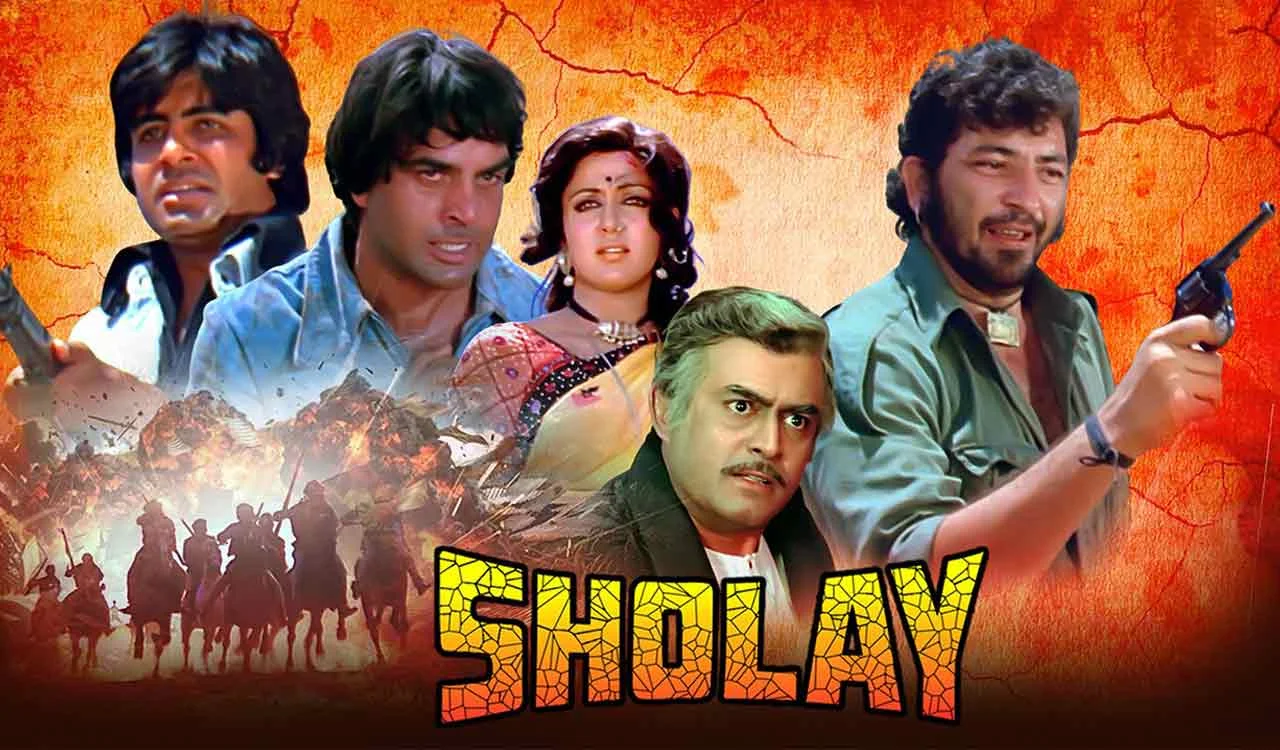
The Timeless Epic of Indian Cinema: Sholay

elabuelofamilyrestaurant.com – “Sholay,” directed by Ramesh Sippy and released in 1975, stands as a monumental work in the annals of Indian cinema. Often celebrated as one of Bollywood’s greatest films, “Sholay” is renowned for its compelling narrative, unforgettable characters, and a seamless blend of action, comedy, and drama.

A Tale of Friendship and Revenge

Set against the rugged backdrop of rural India, “Sholay” weaves the tale of two petty criminals, Jai (Amitabh Bachchan) and Veeru (Dharmendra), who are recruited by a retired police officer, Thakur Baldev Singh (Sanjeev Kumar), to capture the notorious bandit Gabbar Singh (Amjad Khan). The film intricately explores themes of friendship, loyalty, and vengeance, capturing the timeless struggle between good and evil.

Cultural Impact and Legacy

“Sholay” shattered box office records and became a cultural phenomenon, influencing generations of filmmakers and audiences alike. Its dialogues, such as “Kitne aadmi the?” and “Yeh haath mujhe de de, Thakur,” have become iconic, reflecting its deep imprint on popular culture. The film’s unique narrative style, characterized by its use of multi-genre elements, set a new standard for Bollywood storytelling.

A Cinematic Revolution

The film’s success can be attributed to its stellar ensemble cast, memorable music by R.D. Burman, and innovative cinematography by Dwarka Divecha. “Sholay” introduced audiences to a new cinematic grammar, blending Western motifs with Indian storytelling traditions, a fusion that has continued to inspire filmmakers worldwide.

Conclusion

“Sholay” is more than just a film; it is a cinematic experience that continues to captivate audiences with its rich storytelling and indelible characters. As a landmark in Indian cinema, it remains a testament to the power of storytelling and the enduring appeal of the human spirit.