Mengapa Jam di Setiap Negara Bisa Berbeda?

elabuelofamilyrestaurant.com Pernahkah kita bertanya mengapa ketika di Indonesia sudah pagi, di negara lain justru masih malam? Perbedaan waktu tersebut terjadi karena bumi berputar pada porosnya dan setiap wilayah berada pada posisi yang berbeda terhadap matahari.

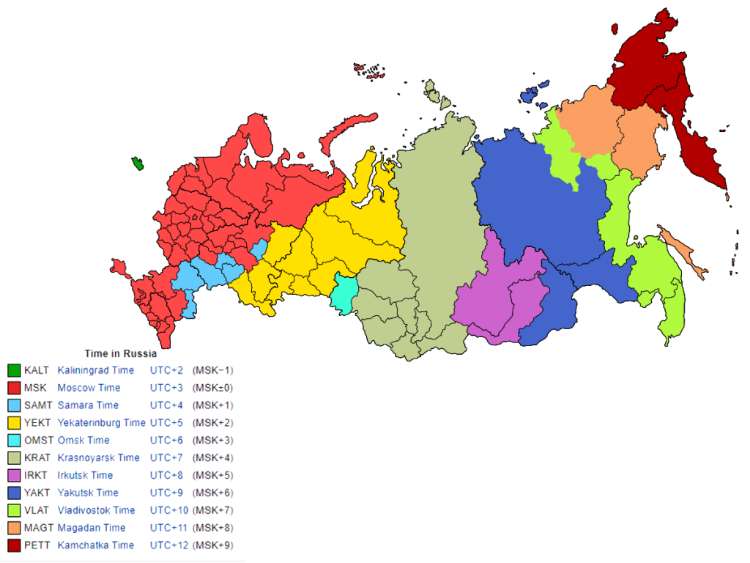
Untuk mengatur waktu di berbagai wilayah, dunia menggunakan sistem zona waktu. Sistem ini membuat waktu resmi di suatu wilayah dapat berbeda dengan wilayah lainnya.

Apa Itu Zona Waktu?

Zona waktu adalah pembagian wilayah bumi berdasarkan perbedaan waktu. Secara umum, bumi dibagi berdasarkan garis bujur dan perbedaan waktu terhadap UTC (Coordinated Universal Time).

Karena bumi berputar dari barat ke timur, wilayah yang lebih ke timur biasanya mengalami waktu lebih awal dibandingkan wilayah yang berada lebih ke barat.

Sebagai contoh, ketika matahari sudah terbit di suatu negara Asia, beberapa negara di Eropa atau Amerika mungkin masih berada pada waktu malam atau dini hari.

Perbedaan Waktu di Indonesia

Indonesia sendiri memiliki tiga zona waktu utama, yaitu Waktu Indonesia Barat (WIB), Waktu Indonesia Tengah (WITA), dan Waktu Indonesia Timur (WIT).

WIB digunakan antara lain di Pulau Sumatra, Jawa, Kalimantan Barat, dan Kalimantan Tengah. WITA digunakan di beberapa wilayah seperti Bali, Sulawesi, Nusa Tenggara, dan sebagian Kalimantan. Sementara itu, WIT digunakan di Maluku dan Papua.

Perbedaan antara WIB dan WITA adalah satu jam, sedangkan perbedaan antara WIB dan WIT adalah dua jam.

Contoh Perbedaan Jam Antarnegara

Perbedaan waktu dapat membuat aktivitas masyarakat di berbagai negara berlangsung pada jam yang berbeda. Ketika seseorang di Indonesia sedang bekerja pada siang hari, orang di negara lain mungkin baru memulai aktivitas pagi atau bahkan sedang beristirahat pada malam hari.

Hal ini menjadi penting ketika seseorang melakukan perjalanan ke luar negeri, berkomunikasi dengan orang di negara lain, atau mengikuti kegiatan internasional.

Mengapa Perbedaan Waktu Penting?

Perbedaan zona waktu perlu diperhatikan dalam berbagai kegiatan. Dalam dunia bisnis, misalnya, perusahaan yang bekerja sama dengan pihak dari negara lain harus memperhatikan waktu rapat agar tidak terjadi kesalahpahaman.

Hal yang sama berlaku untuk penerbangan. Jadwal keberangkatan dan kedatangan biasanya mencantumkan waktu setempat sehingga penumpang perlu mengetahui zona waktu tujuan.

Perbedaan waktu juga penting ketika menggunakan layanan internet, mengikuti acara internasional, atau menghubungi keluarga dan teman yang tinggal di negara lain.

Perubahan Waktu di Beberapa Negara

Tidak semua negara mempertahankan perbedaan waktu yang sama sepanjang tahun. Beberapa negara menerapkan daylight saving time (DST), yaitu perubahan waktu sementara dengan memajukan jam pada periode tertentu dalam setahun.

Karena itu, perbedaan waktu antara dua negara dapat berubah pada waktu tertentu. Hal ini perlu diperhatikan terutama ketika melakukan perjalanan atau mengatur pertemuan internasional.

Kesimpulan

Perbedaan jam di setiap negara terjadi karena bumi berputar dan dunia dibagi menjadi berbagai zona waktu. Sistem ini membantu setiap wilayah mengatur waktu berdasarkan posisi geografisnya.

Memahami zona waktu sangat berguna dalam kehidupan sehari-hari, terutama ketika bepergian ke luar negeri, melakukan komunikasi internasional, atau bekerja dengan orang dari negara yang berbeda. Dengan mengetahui perbedaan waktu, kita dapat mengatur aktivitas dengan lebih tepat dan menghindari kesalahan jadwal.
Porto Velho: The Heart of the Brazilian Amazon

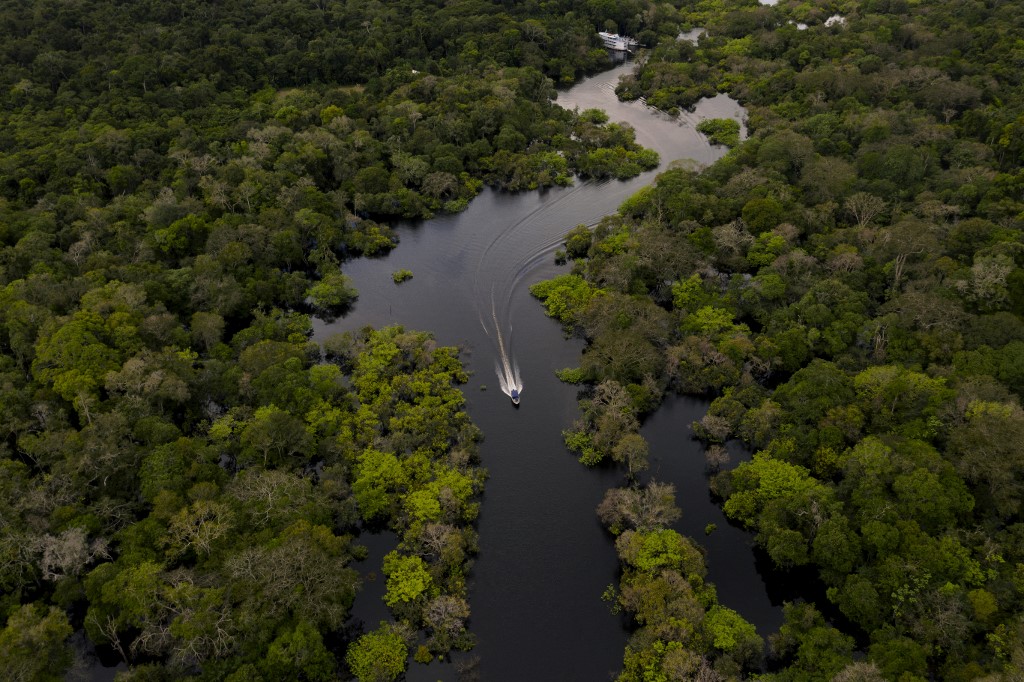
elabuelofamilyrestaurant.com – Nestled in the northwestern part of Brazil, Porto Velho is a vibrant city that serves as the capital of the state of Rondônia. Known for its rich history, diverse culture, and natural beauty, Porto Velho is a gateway to the wonders of the Amazon rainforest and offers a unique experience to its visitors.

A Brief History

Founded in 1914 during the rubber boom, Porto Velho has a fascinating history that is deeply intertwined with the development of the Amazon region. The city was initially established as a hub for the Madeira-Mamoré Railway, a project that aimed to connect the Amazon Basin to Bolivia. Despite the railway’s short-lived operation, Porto Velho flourished and became a significant trade and economic center in the region.

Cultural Heritage

Porto Velho is a melting pot of cultures, with influences from indigenous peoples, European settlers, and other Brazilian regions. This cultural diversity is reflected in the city’s vibrant festivals, traditional crafts, and culinary delights. Events like the Flor do Maracujá Folk Festival showcase the rich folklore and dance traditions of the area, drawing visitors from far and wide.

Natural Attractions

Surrounded by lush rainforests and rivers, Porto Velho is a paradise for nature enthusiasts. The Madeira River, one of the longest tributaries of the Amazon, offers breathtaking views and opportunities for fishing, boating, and wildlife observation. The city also serves as a starting point for exploring the nearby national parks and reserves, where visitors can experience the incredible biodiversity of the Amazon.

Economic Development

Porto Velho has grown into an important economic hub in the Amazon region, driven by agriculture, mining, and energy sectors. The city is a major producer of cassava, soybeans, and cattle, and it hosts significant hydroelectric projects like the Santo Antônio Dam. This economic growth has spurred urban development and improvements in infrastructure, making Porto Velho an attractive destination for business and investment.

Conclusion

Porto Velho is a city that beautifully blends history, culture, and nature. Whether you’re exploring its historical sites, participating in cultural celebrations, or venturing into the Amazon, Porto Velho offers a unique and enriching experience. As it continues to develop, the city remains a testament to the resilience and diversity of the Brazilian Amazon. Whether you’re a traveler seeking adventure or a history enthusiast eager to learn, Porto Velho welcomes you with open arms.

Art and History: Philadelphia’s Cultural Treasures

elabuelofamilyrestaurant.com – Philadelphia, often referred to as the “City of Brotherly Love,” is a vibrant tapestry of art and history. As one of the United States’ oldest cities, it boasts a rich cultural heritage that beckons both residents and visitors to explore its treasures. From iconic historical landmarks to world-renowned art museums, Philadelphia offers a unique blend of past and present that captivates the imagination.

A Historical Journey

Philadelphia played a pivotal role in the founding of the United States, making it a must-visit destination for history enthusiasts. The Independence National Historical Park is home to the Liberty Bell and Independence Hall, where the Declaration of Independence and the Constitution were signed. Walking through these sites offers a tangible connection to the nation’s revolutionary past.

Beyond these iconic landmarks, the city is dotted with lesser-known historical gems. Elfreth’s Alley, the oldest residential street in America, provides a glimpse into 18th-century life. Meanwhile, the Eastern State Penitentiary, once a revolutionary prison, now stands as a hauntingly beautiful museum telling stories of crime and punishment.

The Artistic Heart of the City

Philadelphia is not only steeped in history; it is also a thriving hub for the arts. The Philadelphia Museum of Art, with its grand staircase famously featured in the “Rocky” films, houses an impressive collection of works from across the globe. The museum’s diverse exhibitions span centuries and continents, offering something for every art lover.

The Barnes Foundation, another cornerstone of Philadelphia’s art scene, showcases an extraordinary collection of Impressionist, Post-Impressionist, and Early Modern paintings. Its unique display philosophy encourages visitors to view art in a new light, fostering a deeper appreciation for the pieces.

Street art also plays a significant role in Philadelphia’s cultural landscape. The Philadelphia Mural Arts Program has transformed the city into an open-air gallery, with murals adorning buildings in every neighborhood. These vibrant works of art reflect the city’s diverse communities and tell powerful stories of identity, resilience, and hope.

Discovering Cultural Neighborhoods

Philadelphia’s neighborhoods each bring their own cultural flavor to the city. In Old City, cobblestone streets and colonial architecture coexist with modern galleries and boutiques. South Philadelphia, renowned for its Italian Market, offers a sensory feast of sights, sounds, and tastes.

Fishtown, a former industrial area, has reinvented itself as a trendy enclave for artists and musicians. Its eclectic mix of restaurants, bars, and shops makes it a lively destination for those seeking a taste of Philadelphia’s contemporary culture.

Conclusion

Philadelphia stands as a testament to the enduring spirit of American history and the transformative power of the arts. Whether you are delving into its storied past or exploring its vibrant present, the city’s cultural treasures offer endless opportunities for discovery and inspiration. From the echoes of revolution to the brushstrokes of modern masterpieces, Philadelphia invites you to embark on a journey through time and creativity.