Vada: A Crispy and Flavorful Indian Delight

elabuelofamilyrestaurant.com – Vada, a popular South Indian snack, is a deep-fried savory donut made from a fermented batter of lentils and rice. It’s often served hot with sambar, a lentil-based soup, and coconut chutney, creating a harmonious blend of flavors and textures. Vada’s crispy exterior and soft, flavorful interior make it a beloved dish across India.

The Origins of Vada

The exact origins of vada are somewhat unclear, but it is believed to have originated in South India. It has been a staple food in the region for centuries, and its popularity has spread to other parts of India and beyond.

The Making of Vada

The process of making vada involves a fermentation process, which gives the donuts their unique flavor and texture. Here’s a basic overview of the steps involved:

  1. Fermentation: Urad dal (black gram) is soaked and ground into a smooth batter. The batter is then fermented overnight, allowing the natural bacteria to work their magic.
  2. Shaping the Vada: The fermented batter is shaped into small, donut-shaped balls.
  3. Deep Frying: The vada balls are deep-fried in hot oil until they are golden brown and crispy.

Types of Vada

There are many different types of vada, each with its own unique flavor and texture. Some of the most popular types of vada include:

  • Medu Vada: A popular type of vada made from urad dal batter.
  • Mysore Bonda: A crispy and spicy vada made from a mixture of urad dal and besan (chickpea flour) batter.
  • Ulundu Vada: A type of vada made from urad dal batter, often served with sambar and chutney.

Serving Suggestions

Vada is typically served hot with sambar and coconut chutney. The sambar, a tangy and spicy lentil-based soup, adds a burst of flavor to the crispy vada. Coconut chutney, a smooth and creamy condiment made from grated coconut, green chilies, and spices, complements the vada perfectly.

Why You Should Try Vada

Vada is a delicious and satisfying snack that is perfect for people of all ages. It is a good source of protein and fiber, and it is also relatively low in calories. Vada is easy to digest, making it a great choice for people with sensitive stomachs.

In addition to its health benefits, vada is also incredibly versatile. It can be enjoyed as a snack, a side dish, or a main course. It can be topped with various chutneys, sambar, or even a dollop of ghee.

Proja: A Cornbread Classic – A Taste of Tradition

elabuelofamilyrestaurant.com – Proja, a traditional cornbread, is a beloved dish in the Balkans, particularly in Serbia, Croatia, and Bosnia and Herzegovina. It’s a simple yet satisfying dish that’s often served as a side dish or a snack. Proja is made from a mixture of cornmeal, flour, eggs, and milk, and it’s typically baked in a shallow pan until golden brown.

A Taste of Tradition

The origins of proja can be traced back to the Ottoman Empire, where corn was introduced to the Balkans. Over time, the dish evolved into a unique Balkan delicacy. Proja is often associated with rural areas and is considered a traditional peasant food. However, it has gained popularity in urban areas as well, and it’s now enjoyed by people of all ages.

A Versatile Dish

Proja is a versatile dish that can be enjoyed in a variety of ways. It’s often served warm, with a side of ajvar (a red pepper spread) or kajmak (a creamy cheese spread). It can also be eaten cold, as a snack or a light meal. Some people like to add a bit of butter or honey to their proja, while others prefer to eat it plain.

A Cultural Heritage

Proja is more than just a food; it’s a cultural heritage that has been passed down through generations. It’s a dish that evokes nostalgia and brings people together. Whether you’re enjoying it at a family gathering or a local restaurant, proja is sure to satisfy your cravings and transport you to the heart of the Balkans.

Steak Frites: A Classic French Comfort Food – Satisfying Dish

elabuelofamilyrestaurant.com – Steak frites is a classic French dish that has captured the hearts of food lovers worldwide. This simple yet incredibly satisfying combination of grilled steak and crispy French fries is a testament to the beauty of uncomplicated cuisine.

A Culinary Tradition

While the exact origins of steak frites are somewhat debated, it is believed to have emerged in the early 20th century in Parisian bistros. At that time, it was a popular dish among working-class Parisians, who appreciated its simplicity and affordability.

The Perfect Pairing

The key to a great steak frites lies in the quality of the ingredients and the cooking technique. A well-marbled steak, such as a ribeye or a New York strip, is typically grilled to perfection, often with a touch of butter or herbs. The French fries, or frites, are traditionally cut into thin strips and deep-fried until golden brown and crispy.

A Modern Twist

While the classic steak frites is a beloved dish, modern chefs have put their own spin on this iconic pairing. Some have experimented with different cuts of steak, such as skirt steak or hanger steak, while others have added gourmet touches, like truffle oil or black peppercorn sauce. However, the core elements of the dish – the juicy steak and the crispy fries – remain unchanged.

A Global Phenomenon

Steak frites has transcended its French origins and become a global phenomenon. It can be found on menus in restaurants around the world, from Paris to New York to Tokyo. Its popularity is a testament to its universal appeal, as it satisfies the primal craving for meat and potatoes.

A Simple Pleasure

In the end, steak frites is a simple pleasure that can be enjoyed by everyone. Whether you’re dining in a Michelin-starred restaurant or cooking it at home, this classic dish is sure to satisfy. So, the next time you’re craving a hearty and delicious meal, consider indulging in the timeless appeal of steak frites.

The Rambutan: A Hairy Delight – A Nutritional Powerhouse

elabuelofamilyrestaurant.com – The rambutan, a distinctive fruit with a hairy red or yellow outer shell, is a popular tropical fruit known for its sweet and tangy flavor. Native to Southeast Asia, this unique fruit has spread to various tropical and subtropical regions worldwide. With its striking appearance and refreshing taste, the rambutan is a beloved summer fruit.

A Nutritional Powerhouse

Beyond its intriguing appearance, the rambutan is a nutritional powerhouse, packed with essential vitamins, minerals, and antioxidants. Some of the key nutrients found in rambutan include:   

  • Vitamin C: A potent antioxidant that boosts immunity and promotes skin health.
  • Potassium: Important for regulating blood pressure and heart health.
  • Fiber: Essential for digestive health and maintaining satiety.

Health Benefits of Rambutan

The impressive nutritional profile of rambutan offers a wide range of potential health benefits:

  1. Boosts Immunity: The high levels of vitamin C in rambutan can help strengthen the immune system, protecting the body against infections and diseases.
  2. Promotes Heart Health: The potassium content of rambutan helps regulate blood pressure, reducing the risk of heart disease. Additionally, the antioxidants in the fruit can help protect the heart from oxidative damage.
  3. Aids in Digestion: The fiber content of rambutan aids digestion, preventing constipation and promoting regular bowel movements.
  4. Hydrates the Body: Rambutan is a good source of water, helping to keep the body hydrated, especially during hot weather or intense physical activity.
  5. Promotes Skin Health: The antioxidants in rambutan can help protect the skin from damage caused by free radicals, promoting a youthful and radiant complexion.

How to Enjoy Rambutan

Rambutans are typically enjoyed fresh. To eat a rambutan, simply peel off the hairy outer shell and remove the seed. The sweet, juicy flesh can be eaten directly or added to fruit salads, smoothies, and desserts.

Conclusion

The rambutan, with its unique appearance, sweet and tangy flavor, and impressive nutritional profile, is a truly delightful tropical fruit. Whether you enjoy it fresh or in various culinary preparations, the rambutan is a delicious and healthy addition to any diet.

Kanom San: The Art of Layering – A Delicate Thai Treasure

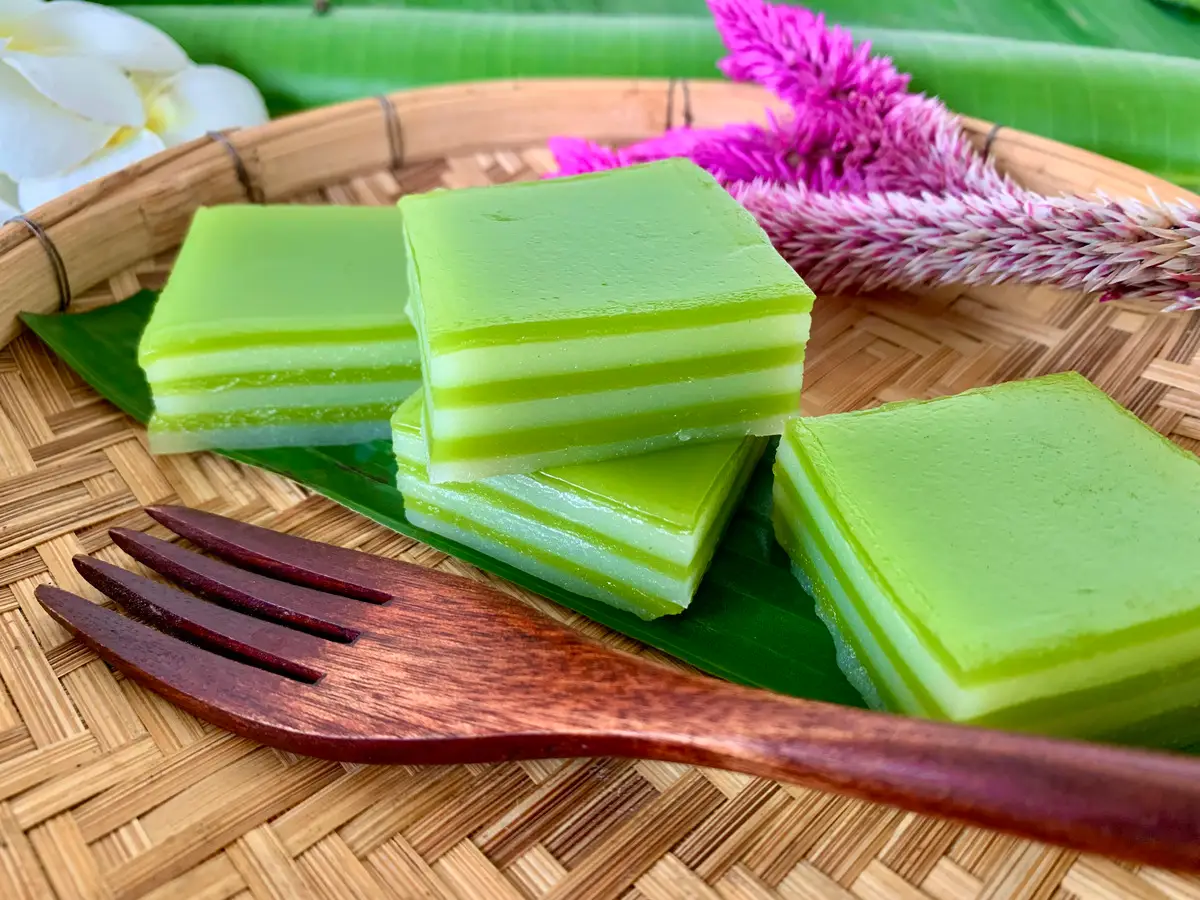
elabuelofamilyrestaurant.com – Kanom San, often referred to as Thai Steamed Layer Cake, is a visually stunning and tastefully delightful dessert that has captivated the hearts of food enthusiasts around the globe. This exquisite confection, with its delicate layers of fragrant coconut milk and pandan-infused batter, is a true testament to the artistry and culinary prowess of Thai cuisine.

A Symphony of Flavors and Textures

At its core, Kanom San is a harmonious blend of flavors and textures. The batter, composed of rice flour, tapioca starch, and coconut milk, is infused with the aromatic essence of pandan leaves, lending it a subtle, verdant hue and a captivating fragrance. The layers, meticulously poured and steamed one by one, create a mesmerizing visual spectacle, reminiscent of a meticulously crafted masterpiece.

The Art of Layering

The process of creating Kanom San is a labor of love. Each layer is poured into a mold, steamed to perfection, and then carefully removed to reveal its smooth, glistening surface. This delicate layering technique requires patience and precision, as any imperfection can disrupt the overall aesthetic appeal of the dessert.   

A Culinary Tradition

Kanom San holds a special place in Thai culinary heritage, often served during festive occasions and celebrations. Its intricate preparation and elegant presentation make it a symbol of refinement and sophistication. In recent years, this traditional dessert has gained international recognition, captivating the palates of food lovers worldwide.

Beyond the Plate

Beyond its aesthetic appeal and delightful taste, Kanom San offers a unique cultural experience. It is a glimpse into the rich tapestry of Thai cuisine, a testament to the country’s culinary traditions, and a reminder of the intricate artistry that goes into creating such a masterpiece.

A Modern Twist

While Kanom San remains a cherished classic, modern chefs have embraced its versatility, experimenting with different flavors and presentations. Some have incorporated exotic ingredients like durian or lychee, while others have played with unconventional shapes and sizes. These innovative interpretations have breathed new life into this timeless dessert, appealing to a wider audience and showcasing the endless possibilities of Thai cuisine.

A Culinary Journey

Whether you are a seasoned foodie or a casual dessert enthusiast, Kanom San is an unforgettable culinary experience. Its delicate layers, fragrant aroma, and harmonious blend of flavors make it a true delight for the senses. So, the next time you have the opportunity to indulge in this Thai treasure, savor every bite and appreciate the artistry and passion that went into its creation.

Escondidinho: The Comforting Brazilian Casserole

elabuelofamilyrestaurant.com – Escondidinho, a beloved Brazilian casserole dish, combines the creamy texture of mashed cassava or potatoes with a savory filling of meat or shrimp. Known for its rich flavors and comforting qualities, Escondidinho is a staple in Brazilian households, enjoyed by families and friends alike. Let’s explore the history, preparation, and cultural significance of this heartwarming dish.

The Origins of Escondidinho

The name “Escondidinho” translates to “little hidden one” in Portuguese, referring to the hidden filling beneath the layer of mashed cassava or potatoes. While the exact origins of the dish are unclear, it is believed to have roots in the northeastern region of Brazil, where ingredients like cassava are abundant and commonly used in traditional cuisine. Over time, Escondidinho has spread throughout the country, becoming a cherished part of Brazilian culinary tradition.

Crafting the Perfect Escondidinho

Escondidinho is a versatile dish that can be customized with various fillings and toppings. Here’s a basic recipe to create this delicious casserole at home:

Ingredients:

  • 2 pounds cassava (or potatoes), peeled and chopped
  • 2 tablespoons butter
  • 1/2 cup milk
  • Salt and pepper to taste
  • 1 pound ground beef or shrimp
  • 1 onion, finely chopped
  • 2 cloves garlic, minced
  • 1 tablespoon olive oil
  • 1/2 cup grated cheese (optional, for topping)
  • Fresh parsley or cilantro for garnish

Instructions:

  1. Boil the cassava or potatoes in salted water until tender. Drain and mash with butter, milk, salt, and pepper until smooth and creamy. Set aside.
  2. In a skillet, heat olive oil over medium heat. Add the onion and garlic, sautéing until fragrant.
  3. Add the ground beef or shrimp to the skillet, cooking until the meat is browned and cooked through. Season with salt and pepper.
  4. Preheat your oven to 375°F (190°C).
  5. In a baking dish, spread a layer of the mashed cassava or potatoes. Add the cooked meat or shrimp filling on top, then cover with another layer of mash.
  6. Sprinkle grated cheese on top if desired.
  7. Bake in the oven for about 20-25 minutes, or until the top is golden and bubbly.
  8. Garnish with fresh parsley or cilantro before serving.

Cultural Significance and Variations

Escondidinho is more than just a dish; it’s a symbol of Brazilian hospitality and comfort. Often served at family gatherings and special occasions, this casserole is a way to bring people together and share a meal that is both nourishing and satisfying.

While the traditional filling consists of ground beef or shrimp, variations abound. Some prefer to use shredded chicken, while others opt for a vegetarian version with ingredients like mushrooms or vegetables. The choice of topping also varies, with some adding a crispy breadcrumb crust or a layer of melted cheese for extra richness.

Conclusion

Escondidinho is a delightful representation of Brazil’s diverse culinary landscape, showcasing the country’s love for hearty, flavorful dishes. Whether enjoyed as a comforting family meal or a centerpiece at a festive gathering, this casserole offers a taste of Brazilian warmth and hospitality. With its creamy mash and savory filling, Escondidinho is sure to become a favorite in any kitchen.

Mesopotamian Delicacies: Banquets of Babylon

elabuelofamilyrestaurant.com – The ancient city of Babylon, nestled in the heart of Mesopotamia, was not only a cradle of civilization but also a paradise for culinary enthusiasts. The region’s fertile land between the Tigris and Euphrates rivers fostered an abundance of ingredients, leading to a vibrant and diverse culinary scene. This article delves into the rich tapestry of Mesopotamian cuisine, exploring the delicacies that adorned the feasting tables of Babylon.

The Culinary Landscape of Mesopotamia

Mesopotamian cuisine was characterized by its use of locally sourced ingredients, which included grains, fruits, vegetables, meats, and spices. The Sumerians, Akkadians, and Babylonians developed sophisticated agricultural techniques that allowed them to cultivate barley, wheat, dates, figs, and various legumes. These staples formed the foundation of their diet, supplemented by the richness of fish from the rivers and livestock from the surrounding plains.

Signature Dishes and Ingredients

Barley and Bread

Barley was the cornerstone of Mesopotamian cuisine, used extensively in the making of bread and beer. Bread was a staple at every meal, often made in various forms ranging from flatbreads to thicker loaves. The Babylonians were skilled bakers, and their bread was not only a source of nourishment but also a symbol of hospitality.

Date Syrup and Honey

The sweet, sticky date syrup, known as “silan,” was a favorite sweetener in Babylonian kitchens. Alongside honey, it was used to enhance the flavor of both sweet and savory dishes. Dates themselves were consumed fresh or dried and were often included in desserts and confections.

Lamb and Fish

Meat was a prized component of Mesopotamian feasts, with lamb being particularly favored. Babylonians prepared lamb in various ways, often roasting or stewing it with a medley of spices. Fish, plentiful in the rivers, was another key protein source, typically grilled or baked.

Herbs and Spices

Aromatic herbs and spices played a crucial role in Babylonian cooking. Ingredients like garlic, onions, cumin, coriander, and mustard were used to season dishes, creating complex and flavorful profiles. These seasonings were integral to the preparation of stews and soups, which were popular dishes in Babylonian households.

The Art of Feasting

Feasting was an important social and religious activity in Babylon. Banquets were occasions for celebration, diplomacy, and worship, often hosted by the elite and the priesthood. These events showcased the abundance of Babylonian culinary skills, with tables laden with an array of dishes designed to impress and satisfy guests.

Conclusion

The banquets of Babylon were more than just meals; they were a reflection of the region’s agricultural innovation, cultural richness, and social dynamics. The Mesopotamian delicacies enjoyed by the Babylonians continue to intrigue modern food enthusiasts and historians alike, offering a glimpse into a civilization where food was both sustenance and art. Through the exploration of their culinary heritage, we gain a deeper appreciation for the flavors and traditions that shaped one of history’s great civilizations.

The Medicinal Properties of Wild Fruits

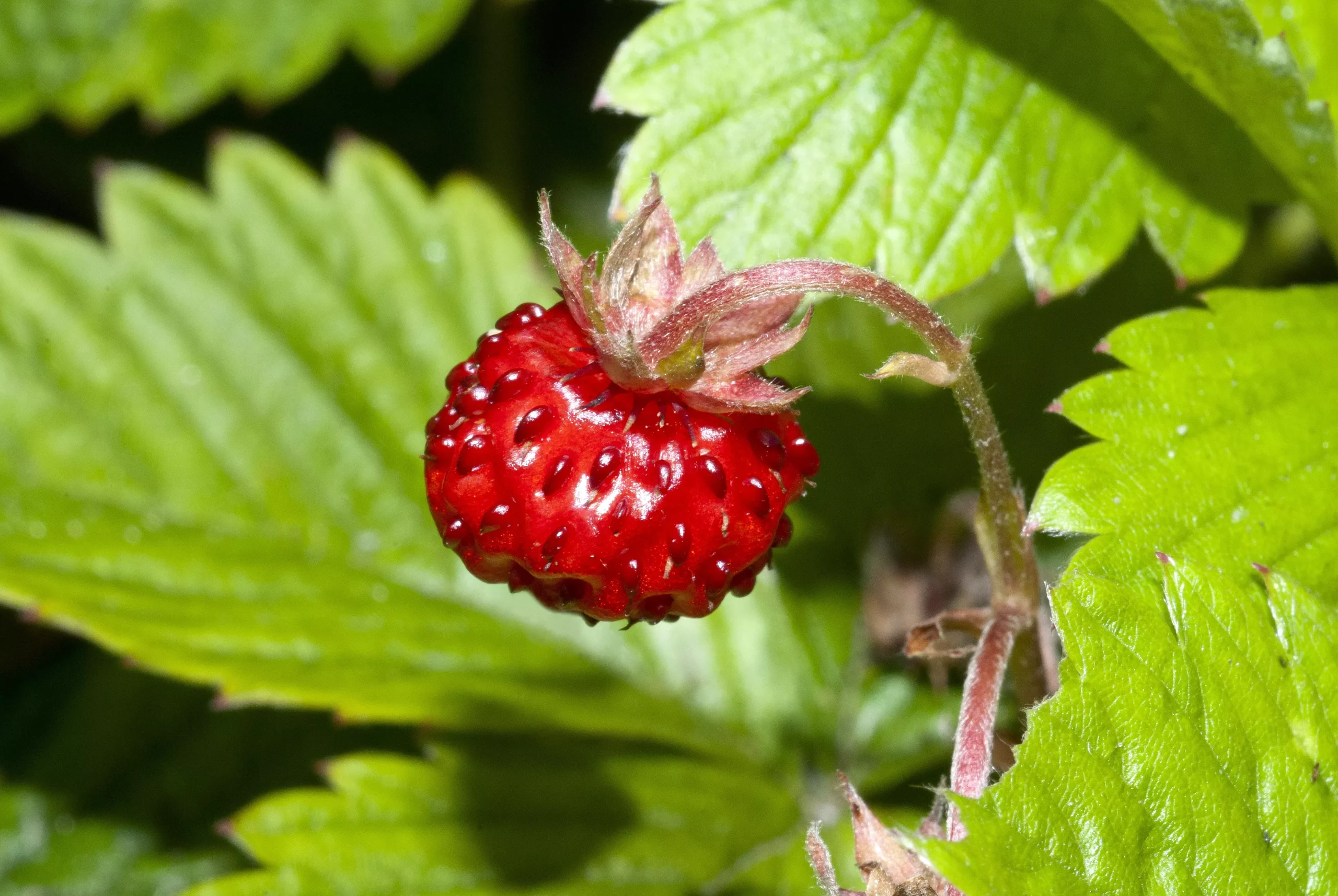
elabuelofamilyrestaurant.com – Wild fruits have long been recognized for their nutritional and medicinal values, making them a valuable resource in both traditional and modern medicine. These fruits, often overlooked in favor of cultivated varieties, are rich in bioactive compounds that offer a range of health benefits.

Nutraceutical and Phytochemical Properties

Wild fruits are a significant source of nutraceuticals, which are substances that provide health benefits beyond basic nutrition. They are rich in antioxidants, vitamins, minerals, and dietary fibers, which contribute to their medicinal properties. Antioxidants, such as phenolic compounds, ascorbic acid, and tocopherol, found in wild fruits, help in reducing oxidative stress and may prevent chronic diseases like cancer and cardiovascular diseases.

Health Benefits

  1. Anticancer Properties: Several wild fruits, including wild red raspberries and wild blueberries, have been shown to possess anticancer activities. These fruits contain compounds that can inhibit the growth of cancer cells and reduce the risk of cancer development.
  2. Antioxidant Activity: Wild fruits are known for their high antioxidant content, which helps in scavenging free radicals and reducing oxidative stress. This property is crucial in combating non-communicable diseases and maintaining overall health.
  3. Anti-inflammatory Effects: The anti-inflammatory properties of wild fruits make them effective in managing inflammatory conditions. These fruits contain compounds that can reduce inflammation and alleviate symptoms of various diseases.
  4. Nutritional Security: Wild fruits are rich in vitamins and minerals, making them vital in combating malnutrition. They are a significant source of dietary fibers, which are essential for maintaining good digestive health.
  5. Traditional Medicinal Uses: In many cultures, wild fruits are used in traditional medicine. For example, the blueberry, known for its high antioxidant content, is used to prevent brain aging and improve cognitive function.

Specific Examples

  • Blueberry: Known for its high antioxidant content, blueberries are used to prevent brain aging and improve cognitive function.
  • Wild Red Raspberry: This fruit is known for its anticancer properties and is used in various health supplements.
  • Wild Blueberry: Similar to the red raspberry, wild blueberries are also known for their anticancer properties and are used in health supplements.

Conclusion

Wild fruits are not only a rich source of nutrients but also possess significant medicinal properties. Their use in traditional and modern medicine is supported by scientific evidence, highlighting their potential in preventing and managing various diseases. As research continues to explore the full extent of their benefits, wild fruits are likely to become even more integral in health and wellness practices.

By incorporating wild fruits into our diets, we can harness their natural medicinal properties to enhance our health and well-being.

Expressing Creativity Through Food: The Culinary Artist

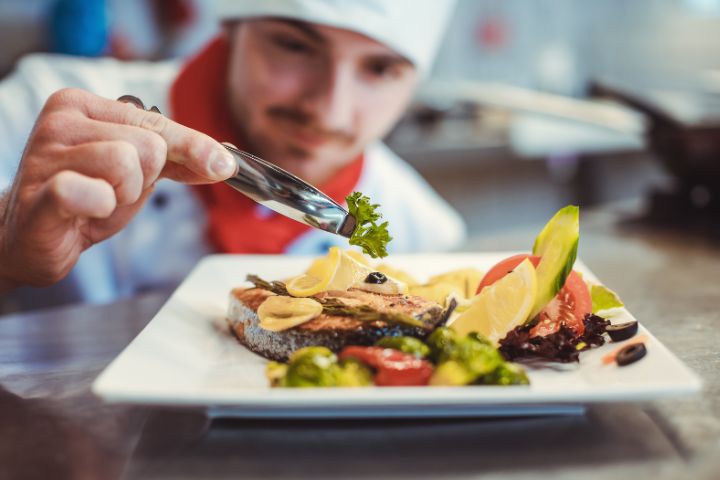
elabuelofamilyrestaurant.com – In the realm of culinary arts, creativity is the hallmark of a true artist. Just as painters use their palettes to blend colors, culinary artists employ a vast array of ingredients to craft dishes that are not only delicious but also visually stunning. This form of artistry is about more than just cooking; it’s about transforming food into an experience that engages all the senses.

The Palette of Flavors

Culinary artists draw from a palette of flavors, textures, and colors to create their masterpieces. They understand the importance of balance, contrast, and harmony in their dishes, much like a musician composing a symphony. Each ingredient is carefully selected for its ability to contribute to the overall composition, whether it’s the sweetness of ripe fruits, the tanginess of fresh herbs, or the richness of decadent sauces.

Techniques and Tools of the Trade

The techniques used by culinary artists are as varied as the cuisines they represent. From the precision of Japanese knife skills to the art of French pastry, each discipline requires a unique set of tools and methods. These artists spend years honing their craft, experimenting with different cooking techniques, and mastering the use of specialized equipment to bring their visions to life.

The Role of Presentation

In culinary art, presentation is key. A beautifully plated dish can elevate the dining experience, making it memorable. Culinary artists pay meticulous attention to the arrangement of food on the plate, considering factors such as color contrast, height, and shape to create a visual feast. They understand that the first bite is with the eyes, and a stunning presentation sets the stage for the flavors to follow.

Innovation and Experimentation

Culinary artists are constantly pushing the boundaries of what is possible in the kitchen. They experiment with new ingredients, techniques, and flavor combinations to create innovative dishes that surprise and delight. This spirit of exploration is what drives the culinary world forward, inspiring others to embrace creativity in their own cooking.

The Connection Between Food and Emotion

At the heart of culinary artistry is the connection between food and emotion. A well-crafted dish can evoke memories, tell a story, or express the essence of a culture. Culinary artists use food as a medium to communicate, to share their passion, and to connect with others on a deeply personal level.

Conclusion: The Culinary Artist’s Legacy

The legacy of a culinary artist is found in the memories they create, the techniques they pass on, and the inspiration they provide. Through their dedication to craft and their relentless pursuit of creativity, they elevate the act of eating to an art form, ensuring that the culinary arts continue to thrive and evolve for generations to come.

Exploring Heat in Snack Foods: The Spicy Snack Attack

elabuelofamilyrestaurant.com – In the ever-evolving world of snack foods, one trend that has captured the palates and imaginations of consumers worldwide is the rise of spicy snacks. From fiery hot chips to tangy, spiced nuts, the demand for snacks that deliver a punch of heat has never been higher. This phenomenon, often referred to as the “Spicy Snack Attack,” is not just a passing fad but a testament to the complex interplay of taste, culture, and culinary exploration. In this exploration, we delve into the reasons behind the popularity of spicy snacks, the science behind the heat, and the cultural impact of this fiery trend.

The Allure of Heat

Spicy snacks appeal to a wide range of consumers for various reasons. For some, it’s the thrill of the burn, a literal spice of life that adds excitement to snacking. For others, it’s the complex flavors that often accompany heat, as spices like chili, cayenne, and paprika not only bring the heat but also a depth of flavor that can transform a simple snack into a culinary adventure. Additionally, the endorphin release triggered by spicy foods can create a sense of euphoria, making the experience of eating spicy snacks not just a taste sensation but an emotional one as well.

The Science of Spice

At the heart of spicy snacks is capsaicin, a compound found in chili peppers that is responsible for their heat. Capsaicin works by binding to the receptors on our tongue that are sensitive to temperature, tricking them into thinking we’re eating something hot. This interaction leads to the release of endorphins, which can create a pleasurable sensation despite the initial discomfort of the burn. The Scoville scale, a measure of the spiciness or heat of chili peppers and products made from them, helps consumers gauge the level of heat they can expect from a snack, ranging from mild to mouth-wateringly fiery.

Cultural Impact and Innovation

The popularity of spicy snacks has led to a wave of innovation in the snack industry, with brands experimenting with new flavors, spice blends, and even collaborations with renowned chefs and culinary experts. This trend has also highlighted the importance of cultural exchange in the culinary world, as flavors and spices traditionally used in cuisines from regions known for their love of heat, such as Mexico, India, and Thailand, have been embraced globally.

Moreover, the Spicy Snack Attack has become a platform for cultural appreciation and education, encouraging consumers to explore the origins of their favorite spices and perhaps even venture into cooking with them at home. It’s a reminder that food is not just sustenance but a powerful connector of cultures and communities.

Conclusion

The Spicy Snack Attack is more than just a trend; it’s a reflection of our collective appetite for adventure, exploration, and the thrill of the new. As snack foods continue to evolve, the demand for spicy snacks is likely to remain strong, driven by our innate desire for excitement and the rich, complex flavors that heat can bring to even the simplest of snacks. Whether you’re a seasoned spice aficionado or a curious newcomer to the world of heat, there’s no denying the allure of a snack that can deliver both a fiery challenge and a flavorful journey.

Fruit in Art and Culture: Symbolism Through the Ages

Fruit has been a perennial subject in art and culture, transcending mere representation to embody a rich tapestry of symbolism and meaning. Throughout history, artists have used fruit as a versatile medium to convey a multitude of messages, from the ephemeral nature of life to the seductive power of temptation. This article explores the multifaceted role of fruit in art and culture, tracing its significance from ancient times to the contemporary era.

Ancient Representations

In ancient civilizations, fruit was often depicted in art as a symbol of abundance, fertility, and the gods’ favor. The ancient Egyptians, for example, included images of fruit in their tomb paintings to ensure a bountiful afterlife. Similarly, in ancient Greece and Rome, fruit was a common motif in mythological scenes, symbolizing the gods’ generosity and the earth’s fertility. The grape, in particular, was closely associated with Dionysus, the Greek god of wine, representing ecstasy, ritual madness, and religious mystery.

The Renaissance: Still Life and Beyond

The Renaissance period saw a surge in the popularity of still life paintings, with fruit taking center stage. Artists like Caravaggio and Cézanne used fruit to explore the interplay of light and shadow, texture, and color. Beyond technical mastery, these works were imbued with symbolic meaning. The decaying fruit in Caravaggio’s paintings, for instance, serves as a memento mori, a reminder of the transience of life and the inevitability of death.

In contrast, the Dutch Golden Age painters often used fruit as a symbol of the Dutch East India Company’s global trade and the wealth it brought to the Netherlands. Exotic fruits like pineapples and bananas were depicted alongside local produce, showcasing the Netherlands’ economic power and cosmopolitanism.

Fruit as a Symbol of Temptation

Perhaps one of the most enduring symbols in art, fruit often represents temptation and the forbidden. The biblical story of Adam and Eve features prominently in Western art, with the apple (though not specified in the Bible) becoming synonymous with the original sin. This motif has been explored by countless artists, from Michelangelo’s Sistine Chapel to William Blake’s illustrations, each interpreting the theme of temptation and its consequences.

Fruit in Modern and Contemporary Art

In the 20th and 21st centuries, fruit continues to be a rich subject for artists, though its symbolism has evolved. Pop artists like Andy Warhol and Wayne Thiebaud have used fruit to comment on consumer culture and the mass production of goods. Warhol’s screen-printed Campbell’s soup cans and Thiebaud’s whimsical cakes and pies reflect the artificiality and abundance of modern life.

Contemporary artists, meanwhile, have embraced fruit as a symbol of cultural identity and globalization. The work of Yinka Shonibare, for example, often incorporates Dutch wax prints, a fabric with a complex history that reflects the intertwined histories of Europe, Africa, and the Americas. His use of these prints to depict fruits like bananas and pineapples comments on colonialism, trade, and the cultural exchange.

Conclusion

Fruit in art and culture is more than just a subject of beauty; it is a powerful symbol that has evolved over centuries. From ancient civilizations to the contemporary era, artists have used fruit to explore themes of fertility, temptation, mortality, and globalization. As we continue to navigate a rapidly changing world, fruit remains a versatile and evocative symbol, ripe with meaning and ready to be interpreted anew by each generation.