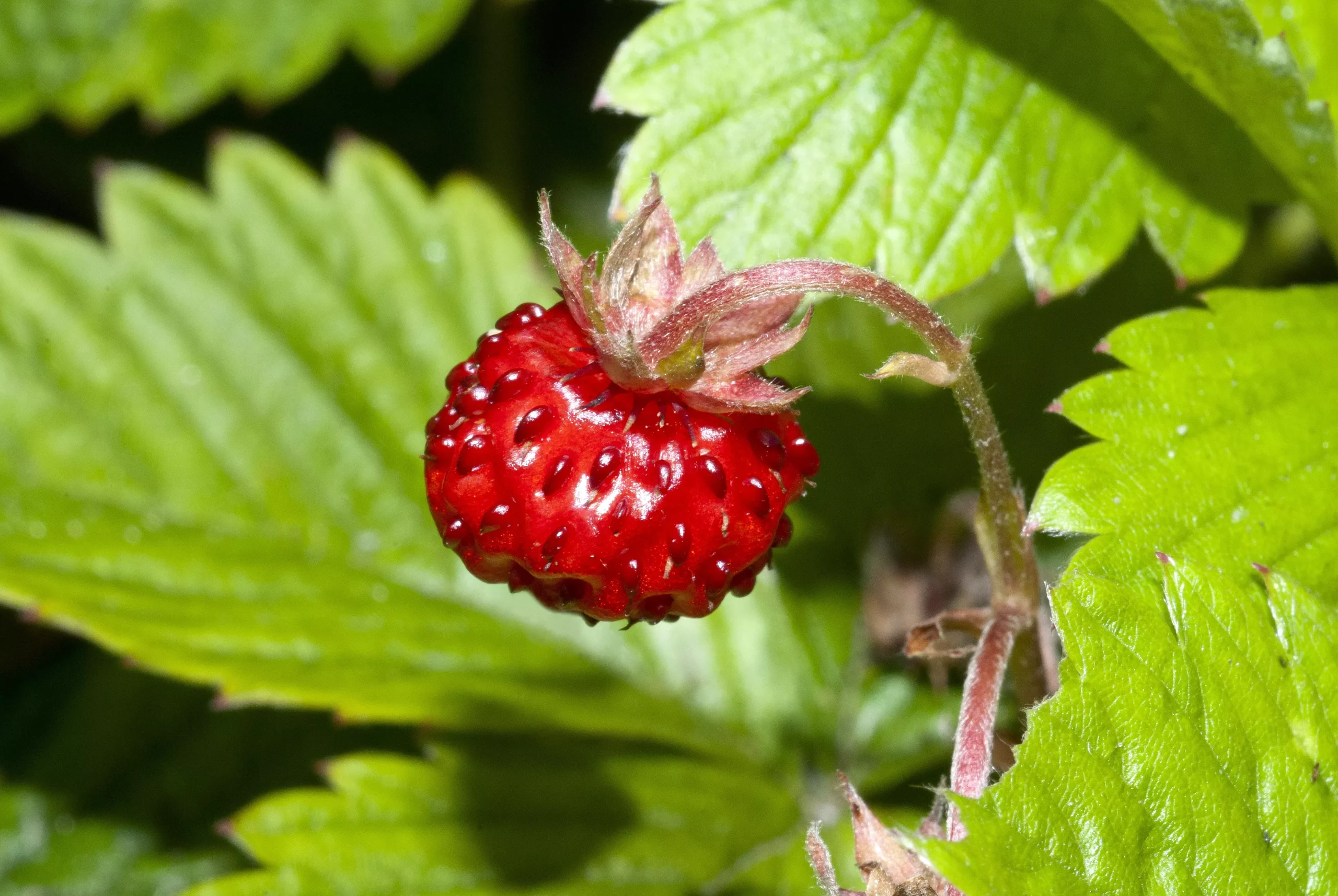
The Medicinal Properties of Wild Fruits

elabuelofamilyrestaurant.com – Wild fruits have long been recognized for their nutritional and medicinal values, making them a valuable resource in both traditional and modern medicine. These fruits, often overlooked in favor of cultivated varieties, are rich in bioactive compounds that offer a range of health benefits.

Nutraceutical and Phytochemical Properties

Wild fruits are a significant source of nutraceuticals, which are substances that provide health benefits beyond basic nutrition. They are rich in antioxidants, vitamins, minerals, and dietary fibers, which contribute to their medicinal properties. Antioxidants, such as phenolic compounds, ascorbic acid, and tocopherol, found in wild fruits, help in reducing oxidative stress and may prevent chronic diseases like cancer and cardiovascular diseases.

Health Benefits

  1. Anticancer Properties: Several wild fruits, including wild red raspberries and wild blueberries, have been shown to possess anticancer activities. These fruits contain compounds that can inhibit the growth of cancer cells and reduce the risk of cancer development.
  2. Antioxidant Activity: Wild fruits are known for their high antioxidant content, which helps in scavenging free radicals and reducing oxidative stress. This property is crucial in combating non-communicable diseases and maintaining overall health.
  3. Anti-inflammatory Effects: The anti-inflammatory properties of wild fruits make them effective in managing inflammatory conditions. These fruits contain compounds that can reduce inflammation and alleviate symptoms of various diseases.
  4. Nutritional Security: Wild fruits are rich in vitamins and minerals, making them vital in combating malnutrition. They are a significant source of dietary fibers, which are essential for maintaining good digestive health.
  5. Traditional Medicinal Uses: In many cultures, wild fruits are used in traditional medicine. For example, the blueberry, known for its high antioxidant content, is used to prevent brain aging and improve cognitive function.

Specific Examples

  • Blueberry: Known for its high antioxidant content, blueberries are used to prevent brain aging and improve cognitive function.
  • Wild Red Raspberry: This fruit is known for its anticancer properties and is used in various health supplements.
  • Wild Blueberry: Similar to the red raspberry, wild blueberries are also known for their anticancer properties and are used in health supplements.

Conclusion

Wild fruits are not only a rich source of nutrients but also possess significant medicinal properties. Their use in traditional and modern medicine is supported by scientific evidence, highlighting their potential in preventing and managing various diseases. As research continues to explore the full extent of their benefits, wild fruits are likely to become even more integral in health and wellness practices.

By incorporating wild fruits into our diets, we can harness their natural medicinal properties to enhance our health and well-being.

Fruit in Art and Culture: Symbolism Through the Ages

Fruit has been a perennial subject in art and culture, transcending mere representation to embody a rich tapestry of symbolism and meaning. Throughout history, artists have used fruit as a versatile medium to convey a multitude of messages, from the ephemeral nature of life to the seductive power of temptation. This article explores the multifaceted role of fruit in art and culture, tracing its significance from ancient times to the contemporary era.

Ancient Representations

In ancient civilizations, fruit was often depicted in art as a symbol of abundance, fertility, and the gods’ favor. The ancient Egyptians, for example, included images of fruit in their tomb paintings to ensure a bountiful afterlife. Similarly, in ancient Greece and Rome, fruit was a common motif in mythological scenes, symbolizing the gods’ generosity and the earth’s fertility. The grape, in particular, was closely associated with Dionysus, the Greek god of wine, representing ecstasy, ritual madness, and religious mystery.

The Renaissance: Still Life and Beyond

The Renaissance period saw a surge in the popularity of still life paintings, with fruit taking center stage. Artists like Caravaggio and Cézanne used fruit to explore the interplay of light and shadow, texture, and color. Beyond technical mastery, these works were imbued with symbolic meaning. The decaying fruit in Caravaggio’s paintings, for instance, serves as a memento mori, a reminder of the transience of life and the inevitability of death.

In contrast, the Dutch Golden Age painters often used fruit as a symbol of the Dutch East India Company’s global trade and the wealth it brought to the Netherlands. Exotic fruits like pineapples and bananas were depicted alongside local produce, showcasing the Netherlands’ economic power and cosmopolitanism.

Fruit as a Symbol of Temptation

Perhaps one of the most enduring symbols in art, fruit often represents temptation and the forbidden. The biblical story of Adam and Eve features prominently in Western art, with the apple (though not specified in the Bible) becoming synonymous with the original sin. This motif has been explored by countless artists, from Michelangelo’s Sistine Chapel to William Blake’s illustrations, each interpreting the theme of temptation and its consequences.

Fruit in Modern and Contemporary Art

In the 20th and 21st centuries, fruit continues to be a rich subject for artists, though its symbolism has evolved. Pop artists like Andy Warhol and Wayne Thiebaud have used fruit to comment on consumer culture and the mass production of goods. Warhol’s screen-printed Campbell’s soup cans and Thiebaud’s whimsical cakes and pies reflect the artificiality and abundance of modern life.

Contemporary artists, meanwhile, have embraced fruit as a symbol of cultural identity and globalization. The work of Yinka Shonibare, for example, often incorporates Dutch wax prints, a fabric with a complex history that reflects the intertwined histories of Europe, Africa, and the Americas. His use of these prints to depict fruits like bananas and pineapples comments on colonialism, trade, and the cultural exchange.

Conclusion

Fruit in art and culture is more than just a subject of beauty; it is a powerful symbol that has evolved over centuries. From ancient civilizations to the contemporary era, artists have used fruit to explore themes of fertility, temptation, mortality, and globalization. As we continue to navigate a rapidly changing world, fruit remains a versatile and evocative symbol, ripe with meaning and ready to be interpreted anew by each generation.