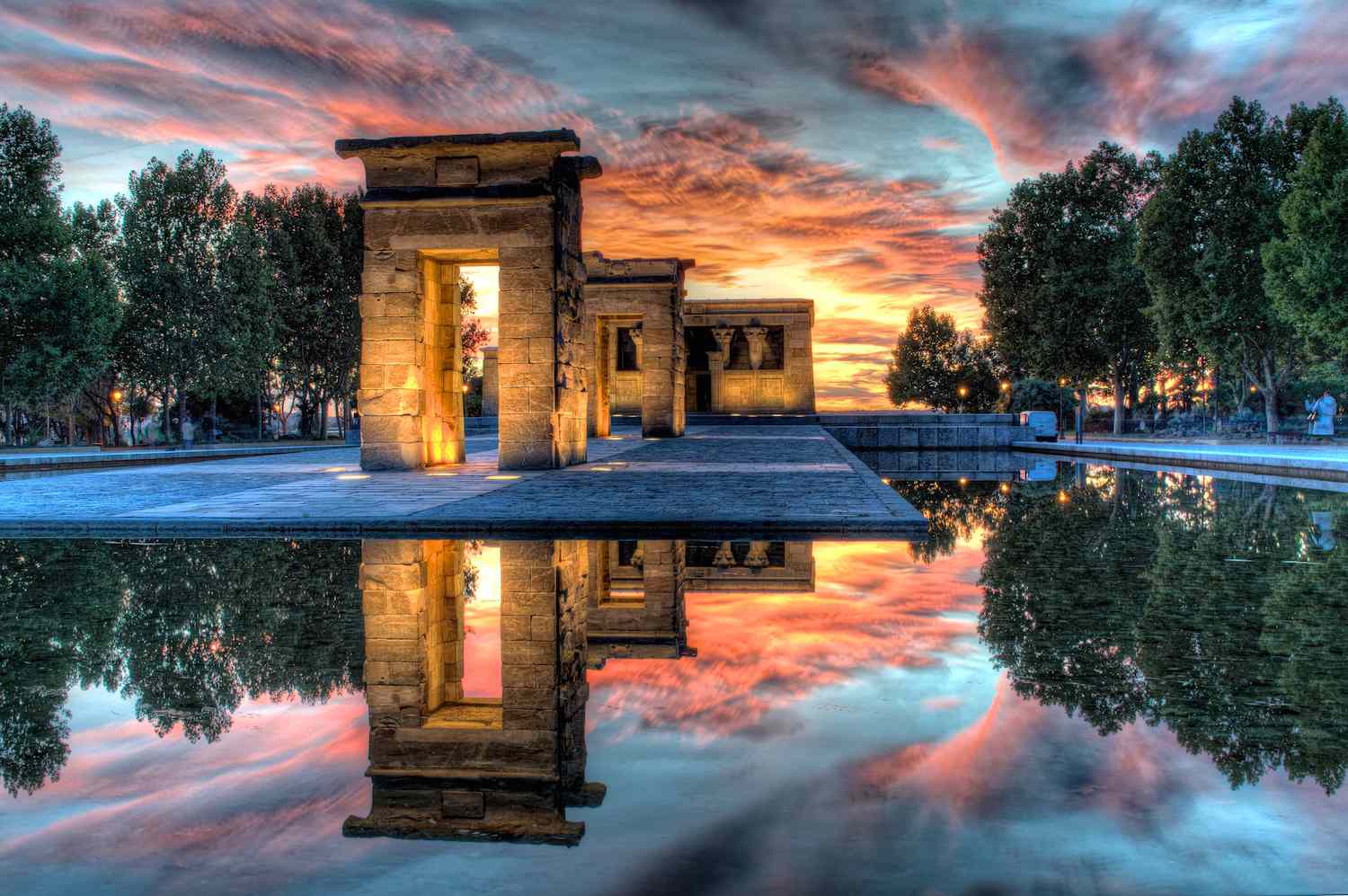
The Temple of Debod: An Ancient Egyptian of Madrid

elabuelofamilyrestaurant.com – The Temple of Debod is a unique historical monument located in Madrid, Spain. This ancient Egyptian temple, dating back to the 2nd century BC, has become a fascinating cultural landmark in the heart of the city, offering visitors a glimpse into the rich history of ancient Egypt.

Historical Background

Originally built in the early 2nd century BC, the Temple of Debod was dedicated to the gods Amun and Isis. It was constructed near Aswan in southern Egypt during the reign of the Meroitic king Adikhalamani. Over the centuries, the temple underwent various modifications and additions by subsequent rulers, including the Roman emperors Augustus and Tiberius.

The Journey to Madrid

In the 1960s, the construction of the Aswan High Dam in Egypt posed a threat to several historical sites, including the Temple of Debod. In gratitude for Spain’s assistance in saving Abu Simbel, the Egyptian government donated the temple to Spain in 1968. The temple was carefully dismantled and transported to Madrid, where it was reconstructed and opened to the public in 1972.

Architectural Features

The Temple of Debod is a fine example of ancient Egyptian architecture, featuring a series of small chapels, halls, and a sanctuary. The temple is adorned with well-preserved reliefs depicting scenes of Egyptian mythology and history. Its construction showcases traditional Egyptian building techniques, using large sandstone blocks and precise carvings.

Cultural and Educational Significance

The Temple of Debod provides a rare opportunity to experience ancient Egyptian architecture outside of Egypt. It serves as an important cultural and educational site, offering insights into the religious practices and architectural achievements of ancient Egypt. The temple is surrounded by beautiful gardens and is particularly striking at sunset, when it is illuminated against the backdrop of the Madrid skyline.

Visiting the Temple of Debod

Located in the Parque del Oeste, the Temple of Debod is easily accessible to visitors. The site offers guided tours and exhibitions that delve into the history and significance of the temple. Its tranquil setting and historical allure make it a popular destination for both tourists and locals.

Conclusion

The Temple of Debod stands as a testament to the enduring legacy of ancient Egyptian culture and its global influence. This extraordinary monument in Madrid not only enriches the city’s historical landscape but also fosters a deeper appreciation for the interconnectedness of world civilizations. Whether for its historical importance or its serene beauty, the Temple of Debod is a must-visit landmark for anyone exploring Madrid.

Scribe of the Sacred Book: Role in Ancient Egyptian Religion

elabuelofamilyrestaurant.com – In ancient Egypt, the role of a scribe was not only confined to administrative and legal matters but also extended to the sacred domain. Among these scribes, the “Scribe of the Sacred Book” held a unique and revered position. This article delves into the specialized role of the Scribe of the Sacred Book, exploring their responsibilities, training, and the significant impact they had on Egyptian religious life.

The Sacred Duty of the Scribe

The Scribe of the Sacred Book was entrusted with the meticulous task of copying, preserving, and sometimes composing religious texts. These texts included hymns, prayers, spells, and rituals that were central to Egyptian religious practices. The accuracy and purity of these sacred writings were of utmost importance, as they were believed to possess divine power and were essential for the proper functioning of the cosmos.

Training and Initiation

Becoming a Scribe of the Sacred Book was a rigorous process that began with a solid education in hieroglyphs, the sacred writing system of ancient Egypt. Aspiring scribes were taught by experienced masters who imparted not only the skills of writing but also the profound knowledge of religious texts and rituals. The training was both intellectual and spiritual, preparing the scribes for their sacred duties.

Tools and Materials

The Scribe of the Sacred Book used specific tools and materials to ensure the longevity and sanctity of the texts. They wrote on papyrus, a paper-like material made from the pith of the papyrus plant, using reed pens and ink made from various minerals and plants. The scribes took great care in the preparation of these materials, as they believed that the quality of the writing tools reflected the importance of the sacred texts.

Ritual Purity and Spiritual Preparation

Before engaging in their work, scribes underwent rituals of purification to ensure their spiritual readiness. This included bathing, wearing clean linen garments, and performing specific prayers and offerings to the gods. The scribes believed that their state of purity directly influenced the efficacy of the sacred texts they produced.

The Significance of Sacred Texts

The texts copied and preserved by the Scribe of the Sacred Book played a crucial role in Egyptian religion. They were used in temple rituals, funerary practices, and personal devotions. These texts were believed to contain the words of the gods and were essential for the maintenance of ma’at, the ancient Egyptian concept of cosmic order and truth.

Contribution to Egyptian Culture

The work of the Scribe of the Sacred Book was not limited to the religious sphere; it also had a profound impact on Egyptian culture and society. The preservation of these texts ensured the continuity of religious traditions and contributed to the development of Egyptian literature, art, and philosophy. The scribes were also instrumental in recording historical events and composing biographies of pharaohs, which have become invaluable assets to modern understanding of ancient Egyptian history.

Conclusion

The Scribe of the Sacred Book held a pivotal role in ancient Egyptian society, bridging the human and divine realms through their meticulous work. Their dedication to preserving and transmitting religious knowledge was fundamental to the religious and cultural life of Egypt. The legacy of these scribes is evident in the rich corpus of sacred texts that have survived to this day, offering a glimpse into the profound spiritual and intellectual world of ancient Egypt.