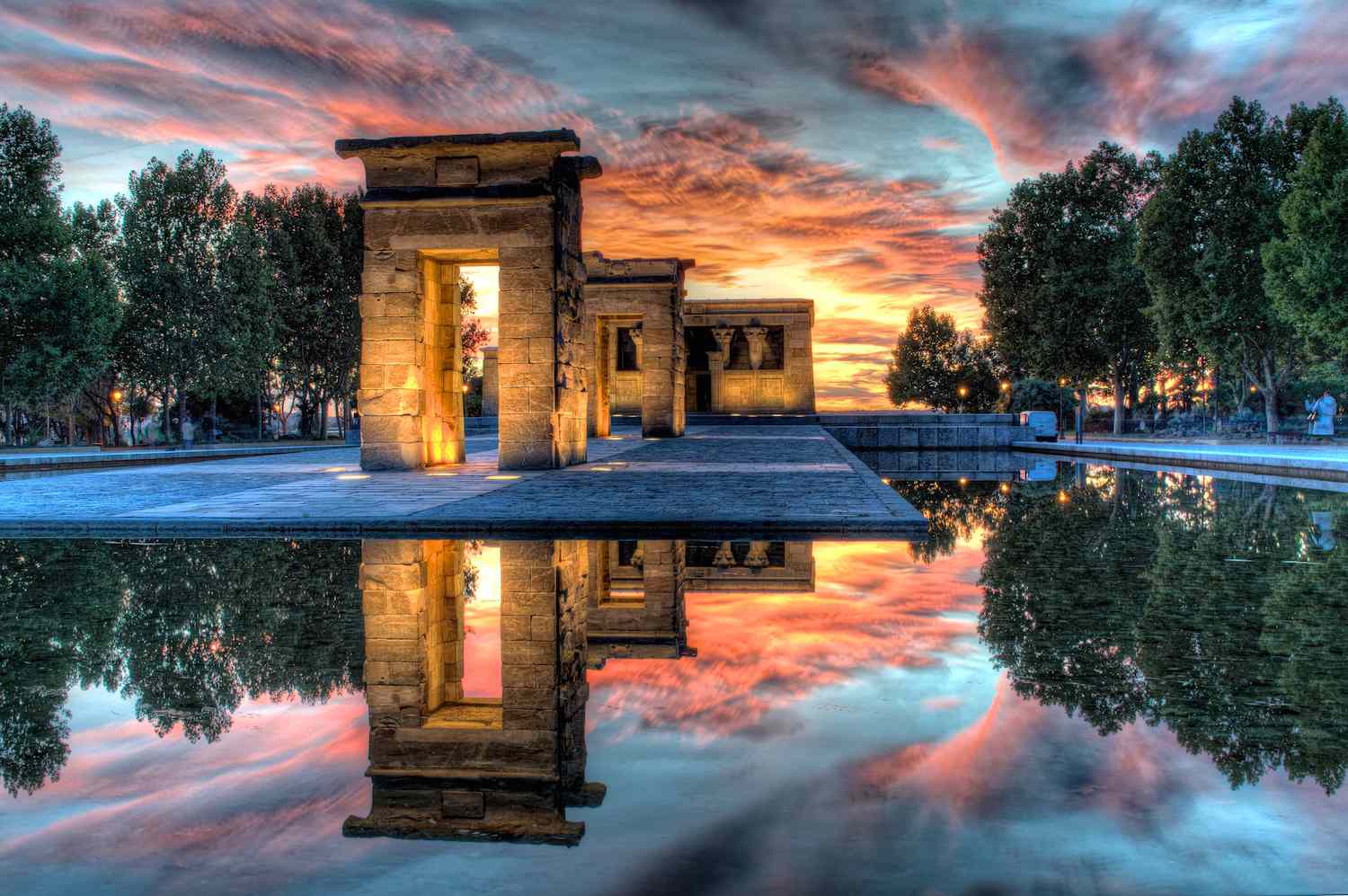
The Temple of Debod: An Ancient Egyptian of Madrid

elabuelofamilyrestaurant.com – The Temple of Debod is a unique historical monument located in Madrid, Spain. This ancient Egyptian temple, dating back to the 2nd century BC, has become a fascinating cultural landmark in the heart of the city, offering visitors a glimpse into the rich history of ancient Egypt.

Historical Background

Originally built in the early 2nd century BC, the Temple of Debod was dedicated to the gods Amun and Isis. It was constructed near Aswan in southern Egypt during the reign of the Meroitic king Adikhalamani. Over the centuries, the temple underwent various modifications and additions by subsequent rulers, including the Roman emperors Augustus and Tiberius.

The Journey to Madrid

In the 1960s, the construction of the Aswan High Dam in Egypt posed a threat to several historical sites, including the Temple of Debod. In gratitude for Spain’s assistance in saving Abu Simbel, the Egyptian government donated the temple to Spain in 1968. The temple was carefully dismantled and transported to Madrid, where it was reconstructed and opened to the public in 1972.

Architectural Features

The Temple of Debod is a fine example of ancient Egyptian architecture, featuring a series of small chapels, halls, and a sanctuary. The temple is adorned with well-preserved reliefs depicting scenes of Egyptian mythology and history. Its construction showcases traditional Egyptian building techniques, using large sandstone blocks and precise carvings.

Cultural and Educational Significance

The Temple of Debod provides a rare opportunity to experience ancient Egyptian architecture outside of Egypt. It serves as an important cultural and educational site, offering insights into the religious practices and architectural achievements of ancient Egypt. The temple is surrounded by beautiful gardens and is particularly striking at sunset, when it is illuminated against the backdrop of the Madrid skyline.

Visiting the Temple of Debod

Located in the Parque del Oeste, the Temple of Debod is easily accessible to visitors. The site offers guided tours and exhibitions that delve into the history and significance of the temple. Its tranquil setting and historical allure make it a popular destination for both tourists and locals.

Conclusion

The Temple of Debod stands as a testament to the enduring legacy of ancient Egyptian culture and its global influence. This extraordinary monument in Madrid not only enriches the city’s historical landscape but also fosters a deeper appreciation for the interconnectedness of world civilizations. Whether for its historical importance or its serene beauty, the Temple of Debod is a must-visit landmark for anyone exploring Madrid.
Women’s Political Participation in Ancient Societies

elabuelofamilyrestaurant.com – The role of women in ancient political systems has been a subject of extensive study and debate. While many ancient societies were patriarchal and limited women’s participation in political life, there were notable exceptions and instances where women wielded significant political power. This article explores the various ways in which women participated in politics across different ancient civilizations, highlighting both the constraints and the opportunities they faced.

Ancient Greece

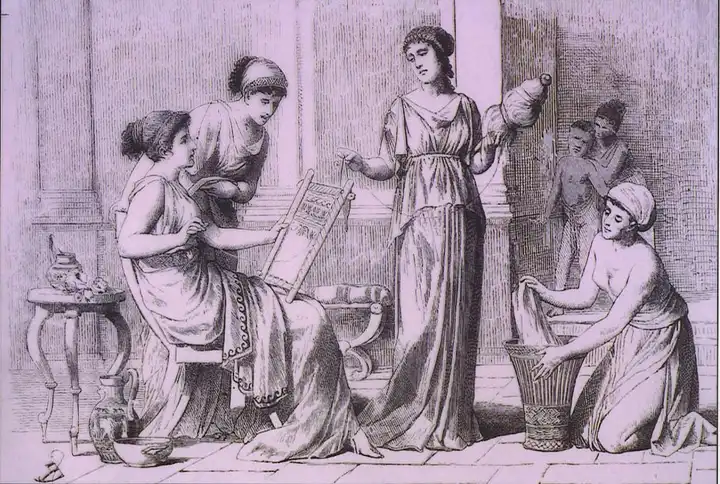
In ancient Greece, particularly in Athens, women were largely excluded from political life. They were considered legal nonentities and were not allowed to participate in the political or intellectual life of the city. The Greek male-dominated society restricted women to the domestic sphere, where their primary roles were to manage the household and bear children. However, there were instances where women influenced political decisions indirectly, often through their male relatives or by leveraging their social status.

Ancient Rome

Similar to Greece, ancient Roman society was patriarchal, and women had limited political rights. They were not allowed to vote or hold public office. However, women of the upper classes could influence political decisions through their wealth and social connections. They often played significant roles in family and social networks, which could indirectly impact political outcomes.

Ancient China

In ancient China, women’s political participation was also constrained by patriarchal norms. The concept of “三从四德” (Three Obediences and Four Virtues) dictated that women should be subservient to their fathers, husbands, and sons. Despite these restrictions, there were instances of powerful women who influenced political affairs. Notable examples include Empress Dowager Cixi, who ruled China during the late Qing dynasty, and earlier figures like Empress Lu Zhi and Empress Wu Zetian, who wielded significant political power.

Ancient Egypt

Ancient Egypt provides some of the most striking examples of women’s political participation. Queens like Hatshepsut and Cleopatra VII ruled as pharaohs, demonstrating that women could hold the highest political office in ancient Egypt. Hatshepsut, in particular, is known for her successful reign and her efforts to maintain stability and prosperity in Egypt.

Ancient Ethiopia

In ancient Ethiopia, women’s political participation varied over time. While there were periods when women were excluded from political life, there were also instances where they held significant political roles. The study of Ethiopian women’s political participation from ancient times to the present reveals a complex history of both exclusion and empowerment.

Conclusion

The political participation of women in ancient societies was highly variable, influenced by cultural, social, and economic factors. While many ancient civilizations restricted women’s roles to the domestic sphere, there were notable exceptions where women held significant political power. These examples highlight the resilience and adaptability of women in navigating the political landscapes of their times.

By examining these historical contexts, we gain a deeper understanding of the challenges and opportunities that women faced in ancient political systems, which can inform contemporary discussions on gender equality and political representation.

Scribe of the Sacred Book: Role in Ancient Egyptian Religion

elabuelofamilyrestaurant.com – In ancient Egypt, the role of a scribe was not only confined to administrative and legal matters but also extended to the sacred domain. Among these scribes, the “Scribe of the Sacred Book” held a unique and revered position. This article delves into the specialized role of the Scribe of the Sacred Book, exploring their responsibilities, training, and the significant impact they had on Egyptian religious life.

The Sacred Duty of the Scribe

The Scribe of the Sacred Book was entrusted with the meticulous task of copying, preserving, and sometimes composing religious texts. These texts included hymns, prayers, spells, and rituals that were central to Egyptian religious practices. The accuracy and purity of these sacred writings were of utmost importance, as they were believed to possess divine power and were essential for the proper functioning of the cosmos.

Training and Initiation

Becoming a Scribe of the Sacred Book was a rigorous process that began with a solid education in hieroglyphs, the sacred writing system of ancient Egypt. Aspiring scribes were taught by experienced masters who imparted not only the skills of writing but also the profound knowledge of religious texts and rituals. The training was both intellectual and spiritual, preparing the scribes for their sacred duties.

Tools and Materials

The Scribe of the Sacred Book used specific tools and materials to ensure the longevity and sanctity of the texts. They wrote on papyrus, a paper-like material made from the pith of the papyrus plant, using reed pens and ink made from various minerals and plants. The scribes took great care in the preparation of these materials, as they believed that the quality of the writing tools reflected the importance of the sacred texts.

Ritual Purity and Spiritual Preparation

Before engaging in their work, scribes underwent rituals of purification to ensure their spiritual readiness. This included bathing, wearing clean linen garments, and performing specific prayers and offerings to the gods. The scribes believed that their state of purity directly influenced the efficacy of the sacred texts they produced.

The Significance of Sacred Texts

The texts copied and preserved by the Scribe of the Sacred Book played a crucial role in Egyptian religion. They were used in temple rituals, funerary practices, and personal devotions. These texts were believed to contain the words of the gods and were essential for the maintenance of ma’at, the ancient Egyptian concept of cosmic order and truth.

Contribution to Egyptian Culture

The work of the Scribe of the Sacred Book was not limited to the religious sphere; it also had a profound impact on Egyptian culture and society. The preservation of these texts ensured the continuity of religious traditions and contributed to the development of Egyptian literature, art, and philosophy. The scribes were also instrumental in recording historical events and composing biographies of pharaohs, which have become invaluable assets to modern understanding of ancient Egyptian history.

Conclusion

The Scribe of the Sacred Book held a pivotal role in ancient Egyptian society, bridging the human and divine realms through their meticulous work. Their dedication to preserving and transmitting religious knowledge was fundamental to the religious and cultural life of Egypt. The legacy of these scribes is evident in the rich corpus of sacred texts that have survived to this day, offering a glimpse into the profound spiritual and intellectual world of ancient Egypt.

Mistletoe Magic: The Enchantment of an Ancient Tradition

elabuelofamilyrestaurant.com – Nestled within the branches of towering oaks and apple trees, a curious parasitic plant weaves its way into the fabric of human culture, casting a spell of love and tradition that spans centuries. This plant, known as mistletoe, holds a unique place in the hearts of many, particularly during the festive season. Its presence in homes and public spaces alike signifies not just the arrival of the holiday cheer but also the magic that seems to envelop the world during this time.

The Origins of Mistletoe Magic

The history of mistletoe is as intriguing as its folklore. This evergreen plant has been revered by various cultures for its supposed mystical properties. The ancient Druids, for example, believed that mistletoe possessed healing powers and could offer protection against poisons and illness. They would perform elaborate rituals to harvest it, believing that its power was strongest when it was cut with a golden sickle during a full moon.

The Symbolism of Mistletoe

Over time, the symbolism of mistletoe evolved, and it became associated with love and fertility. This transition is beautifully encapsulated in the tradition of kissing under the mistletoe. The origins of this custom are somewhat murky, but it is believed to have roots in ancient European winter solstice celebrations. The tradition suggests that enemies who met under the mistletoe would lay down their arms and declare a truce until the next day. This symbol of peace and unity eventually morphed into the romantic gesture we know today.

Mistletoe in Modern Times

Today, mistletoe is a staple of Christmas decorations around the world. Its presence in homes and public spaces serves as a reminder of the joy and love that the holiday season brings. The tradition of kissing under the mistletoe has become a playful and lighthearted way for couples to express their affection. It’s a moment of enchantment, where time seems to stand still, and the magic of the season envelops those who partake in this age-old ritual.

The Science Behind the Magic

While the magic of mistletoe is often attributed to folklore and tradition, there is a scientific basis for its symbolism of love and fertility. Mistletoe is a semi-parasitic plant that draws water and nutrients from its host tree but also produces its own food through photosynthesis. This unique ability to thrive in challenging conditions has been interpreted as a symbol of resilience and life, further enhancing its mystical allure.

Preserving the Magic

As we continue to celebrate the magic of mistletoe, it’s important to remember the ecological significance of this fascinating plant. Mistletoe plays a crucial role in its ecosystem, providing food and shelter for various wildlife, including birds and insects. By supporting sustainable harvesting practices and conservation efforts, we can ensure that the magic of mistletoe endures for generations to come.

Conclusion

Mistletoe, with its rich history and enchanting folklore, continues to captivate the hearts of many during the holiday season. It serves as a reminder of the power of tradition and the magic that can be found in the simplest of gestures. Whether it’s a symbol of peace, love, or fertility, mistletoe remains a cherished part of our cultural heritage, weaving its magic into the fabric of our celebrations and bringing a touch of enchantment to the festive season.

Taoism: an ancient Chinese philosophy and spiritual tradition

Taoism, also known as Daoism, is an ancient Chinese philosophy and spiritual tradition that emphasizes living in harmony with the Tao (Dao), or the fundamental nature of the universe. The Tao is often described as the source, pattern, and substance of everything that exists, encompassing both being and non-being, and it is characterized by its naturalness, simplicity, spontaneity, and harmony.

The origins of Taoism can be traced back to the 6th century BCE, with the historical or legendary figure Laozi (Lao-tzu) traditionally considered its founder. The central text of Taoism is the Tao Te Ching (Dao De Jing), attributed to Laozi, which contains guidance on living a life in accordance with the Tao. Another important text is the Zhuangzi, named after its traditional author Zhuang Zhou (Chuang Tzu), which uses parables and anecdotes to illustrate the principles of Taoism.

Taoism is not a religion in the conventional sense, as it does not involve worship of a deity or deities. Instead, it is a way of life that seeks to understand and align with the natural order of the universe. However, Taoism has also developed a religious aspect over time, with the emergence of Taoist priests, rituals, and deities, which coexist with the philosophical tradition.

Key Concepts of Taoism:

  1. Wu Wei (Non-Action): This principle suggests that the most effective actions are those that are in harmony with the natural flow of things, rather than being forced or contrived. It does not mean doing nothing, but rather acting in a way that is effortless and in accordance with the Tao.
  2. Yin and Yang: These are two fundamental aspects of the Tao that represent the duality and interconnectedness of all things. Yin is associated with qualities such as softness, passivity, and darkness, while Yang represents hardness, activity, and light. Together, they symbolize the balance and complementarity of opposites.
  3. Qi (Chi): Often translated as “life force” or “energy,” Qi is the vital force that flows through all things. Taoists believe that maintaining a balanced flow of Qi is essential for health and well-being.
  4. Simplicity and Naturalness: Taoism advocates for a simple life, free from excessive desires and artificiality. It encourages individuals to return to a state of naturalness and to live in accordance with the rhythms of nature.
  5. Detachment: Taoism teaches the importance of detaching from material desires and societal expectations to achieve inner peace and contentment.

Taoism and Chinese Culture:

Taoism has had a profound influence on Chinese culture, philosophy, and spirituality. It has shaped Chinese art, poetry, medicine, and martial arts, and it has also influenced other Chinese philosophies, such as Confucianism and Legalism. Taoist principles can be seen in the practice of Feng Shui, the art of placement and arrangement based on the flow of Qi, and in the development of Chinese alchemy and the pursuit of longevity and immortality.

In contemporary times, Taoism continues to be practiced in various forms, from the philosophical study of the Tao Te Ching and Zhuangzi to the religious practices of Taoist temples. Its teachings on harmony, balance, and living in accordance with nature resonate with many people around the world, offering a path to personal growth and spiritual fulfillment.

In conclusion, Taoism is a rich and complex tradition that offers profound insights into the nature of existence and the art of living. Its emphasis on harmony, simplicity, and the natural flow of life provides a timeless wisdom that continues to inspire and guide individuals in their quest for peace and understanding.