elabuelofamilyrestaurant.com – The role of women in ancient political systems has been a subject of extensive study and debate. While many ancient societies were patriarchal and limited women’s participation in political life, there were notable exceptions and instances where women wielded significant political power. This article explores the various ways in which women participated in politics across different ancient civilizations, highlighting both the constraints and the opportunities they faced.
Ancient Greece
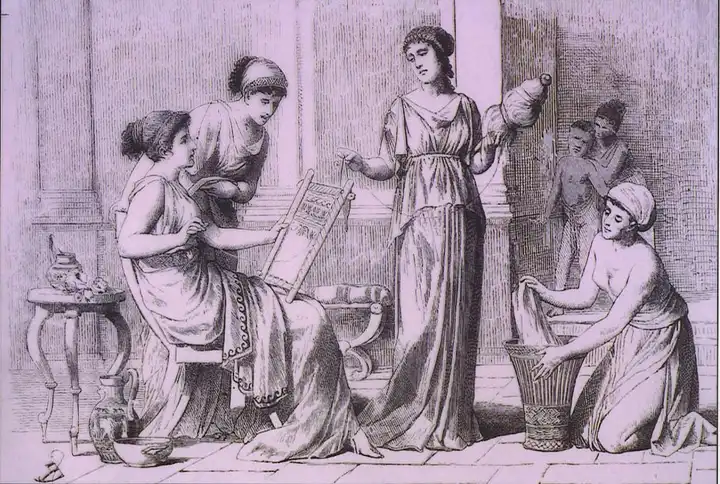
In ancient Greece, particularly in Athens, women were largely excluded from political life. They were considered legal nonentities and were not allowed to participate in the political or intellectual life of the city. The Greek male-dominated society restricted women to the domestic sphere, where their primary roles were to manage the household and bear children. However, there were instances where women influenced political decisions indirectly, often through their male relatives or by leveraging their social status.
Ancient Rome
Similar to Greece, ancient Roman society was patriarchal, and women had limited political rights. They were not allowed to vote or hold public office. However, women of the upper classes could influence political decisions through their wealth and social connections. They often played significant roles in family and social networks, which could indirectly impact political outcomes.
Ancient China
In ancient China, women’s political participation was also constrained by patriarchal norms. The concept of “三从四德” (Three Obediences and Four Virtues) dictated that women should be subservient to their fathers, husbands, and sons. Despite these restrictions, there were instances of powerful women who influenced political affairs. Notable examples include Empress Dowager Cixi, who ruled China during the late Qing dynasty, and earlier figures like Empress Lu Zhi and Empress Wu Zetian, who wielded significant political power.
Ancient Egypt
Ancient Egypt provides some of the most striking examples of women’s political participation. Queens like Hatshepsut and Cleopatra VII ruled as pharaohs, demonstrating that women could hold the highest political office in ancient Egypt. Hatshepsut, in particular, is known for her successful reign and her efforts to maintain stability and prosperity in Egypt.
Ancient Ethiopia
In ancient Ethiopia, women’s political participation varied over time. While there were periods when women were excluded from political life, there were also instances where they held significant political roles. The study of Ethiopian women’s political participation from ancient times to the present reveals a complex history of both exclusion and empowerment.
Conclusion
The political participation of women in ancient societies was highly variable, influenced by cultural, social, and economic factors. While many ancient civilizations restricted women’s roles to the domestic sphere, there were notable exceptions where women held significant political power. These examples highlight the resilience and adaptability of women in navigating the political landscapes of their times.
By examining these historical contexts, we gain a deeper understanding of the challenges and opportunities that women faced in ancient political systems, which can inform contemporary discussions on gender equality and political representation.