Women’s Political Participation in Ancient Societies

elabuelofamilyrestaurant.com – The role of women in ancient political systems has been a subject of extensive study and debate. While many ancient societies were patriarchal and limited women’s participation in political life, there were notable exceptions and instances where women wielded significant political power. This article explores the various ways in which women participated in politics across different ancient civilizations, highlighting both the constraints and the opportunities they faced.

Ancient Greece

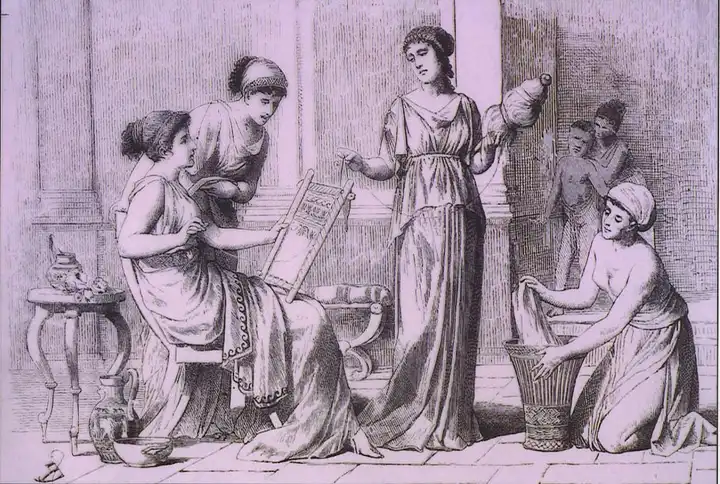
In ancient Greece, particularly in Athens, women were largely excluded from political life. They were considered legal nonentities and were not allowed to participate in the political or intellectual life of the city. The Greek male-dominated society restricted women to the domestic sphere, where their primary roles were to manage the household and bear children. However, there were instances where women influenced political decisions indirectly, often through their male relatives or by leveraging their social status.

Ancient Rome

Similar to Greece, ancient Roman society was patriarchal, and women had limited political rights. They were not allowed to vote or hold public office. However, women of the upper classes could influence political decisions through their wealth and social connections. They often played significant roles in family and social networks, which could indirectly impact political outcomes.

Ancient China

In ancient China, women’s political participation was also constrained by patriarchal norms. The concept of “三从四德” (Three Obediences and Four Virtues) dictated that women should be subservient to their fathers, husbands, and sons. Despite these restrictions, there were instances of powerful women who influenced political affairs. Notable examples include Empress Dowager Cixi, who ruled China during the late Qing dynasty, and earlier figures like Empress Lu Zhi and Empress Wu Zetian, who wielded significant political power.

Ancient Egypt

Ancient Egypt provides some of the most striking examples of women’s political participation. Queens like Hatshepsut and Cleopatra VII ruled as pharaohs, demonstrating that women could hold the highest political office in ancient Egypt. Hatshepsut, in particular, is known for her successful reign and her efforts to maintain stability and prosperity in Egypt.

Ancient Ethiopia

In ancient Ethiopia, women’s political participation varied over time. While there were periods when women were excluded from political life, there were also instances where they held significant political roles. The study of Ethiopian women’s political participation from ancient times to the present reveals a complex history of both exclusion and empowerment.

Conclusion

The political participation of women in ancient societies was highly variable, influenced by cultural, social, and economic factors. While many ancient civilizations restricted women’s roles to the domestic sphere, there were notable exceptions where women held significant political power. These examples highlight the resilience and adaptability of women in navigating the political landscapes of their times.

By examining these historical contexts, we gain a deeper understanding of the challenges and opportunities that women faced in ancient political systems, which can inform contemporary discussions on gender equality and political representation.

Women Who Love Powerful Sports Cars: The Lady’s Roar

elabuelofamilyrestaurant.com – In a world where the love for powerful sports cars has long been stereotyped as a predominantly male interest, a growing number of women are breaking the mold and revving their engines with passion and enthusiasm. These ladies are not just car owners; they are enthusiasts, racers, collectors, and influencers in the automotive world. Their love for powerful sports cars is a testament to the universal appeal of speed, design, and engineering excellence. This article delves into the world of women who love powerful sports cars, exploring their stories, their cars, and the impact they have on the automotive community.

The Shift in Gears

Traditionally, the automotive industry has been male-dominated, both in terms of consumers and professionals. However, the tides are changing. Women are increasingly taking an interest in sports cars, attending car shows, participating in racing events, and even working as engineers and designers in the automotive sector. This shift is not just a passing trend but a significant cultural movement that is reshaping the perception of who can love and excel in the world of high-performance vehicles.

Women Who Roar

The community of women who love powerful sports cars is as diverse as the vehicles they adore. From classic car collectors to modern-day racers, these women are making their mark on the automotive world.

  • The Collectors: Women like Amanda Leiter, the daughter of Ferrari’s former CEO, Sergio Marchionne, have become prominent figures in the car collecting world. Leiter’s passion for classic cars, particularly Ferraris, has seen her curate an impressive collection and become an influential voice in the collector car market.
  • The Racers: On the track, women like Simona de Silvestro and Michelle Molina are proving that speed knows no gender. De Silvestro, a Swiss racer, has competed in IndyCar and has been a test driver for Sauber in Formula 1. Molina, on the other hand, is making waves in the world of drifting, showcasing her skills and determination in a sport that has historically been male-dominated.
  • The Influencers: Social media has given a platform to women like Alex Hirschi, also known as Supercar Blondie, who has amassed a huge following by sharing her love for supercars. Her videos, which often feature her driving some of the world’s most expensive and powerful cars, have inspired many women to explore their interest in the automotive world.

Breaking Barriers

The presence of women in the sports car community is not just about personal passion; it’s about breaking down barriers and challenging stereotypes. These women are role models, showing that anyone can pursue their interests, regardless of gender. They are also advocates for diversity in the automotive industry, encouraging more women to get involved in all aspects of car culture, from driving and collecting to engineering and design.

The Future is Inclusive

As the automotive industry evolves, the role of women within it is becoming increasingly significant. From the boardroom to the racetrack, women are contributing to the future of cars. This includes the push towards electric and autonomous vehicles, where women’s perspectives and innovations are crucial for creating a more inclusive and sustainable automotive future.

In conclusion, the ladies who love powerful sports cars are not just changing the face of car culture; they are redefining what it means to be an automotive enthusiast. Their passion, talent, and determination are paving the way for a more diverse and inclusive automotive community. The roar of their engines is a clarion call for change, and it’s a sound that is sure to inspire generations to come.